Britain’s record-breaking heatwave is turning millions of gardens into hidden ‘heat traps’, experts warn
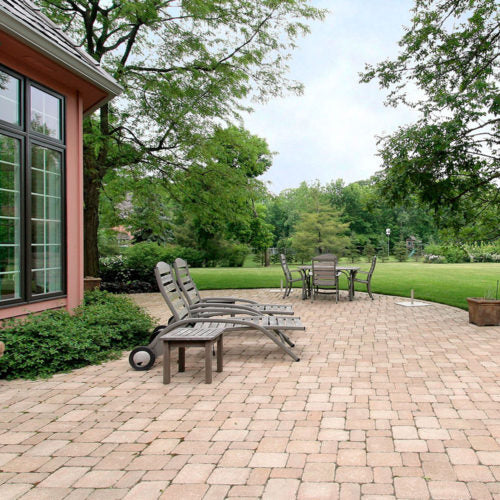
As Britain endures one of its hottest Junes on record, experts are warning that the very gardens homeowners have spent years creating could be making the heat even harder to escape.
With parts of England under a rare red extreme heat warning and temperatures forecast to reach as high as 38°C, outdoor surface specialists say many homeowners are unaware that some of the UK’s most popular low-maintenance garden features can absorb and retain far more heat than traditional lawns.
The warning comes as Britain’s gardens continue to evolve, with artificial grass, paved patios and composite decking replacing natural planting in many homes.
While these features reduce maintenance, experts say they can also make gardens significantly hotter during prolonged periods of extreme weather.
The warning comes as research shows four in five UK gardeners have already noticed climate-related damage to their outdoor spaces, while hard landscaping continues to replace natural lawns across the country.
According to Alex Essex, outdoor surface expert at PBSR CO, many homeowners only discover the issue when temperatures soar: “People spend thousands creating beautiful, low-maintenance gardens, but many don’t realise they’ve also created outdoor spaces that become incredibly hot during a heatwave.
“The irony is that the weather everyone waits for all year can actually make some modern gardens uncomfortable, and in some cases unsafe, to enjoy.
“It’s not that artificial grass, decking or patios are bad choices. The problem is that many gardens have gradually lost the natural cooling effect provided by lawns, trees and planting. As our summers become warmer, homeowners need to start thinking about heat resilience as much as appearance and maintenance.”
Artificial grass remains one of the UK’s most popular garden upgrades, with an estimated 18 million square metres now installed across cultivated green spaces. Unlike natural grass, synthetic lawns do not benefit from evaporation or moisture held within the soil, meaning they can absorb and radiate heat for hours after direct sunshine.
The same issue affects many other features that have become staples of modern garden design.
The five garden features most affected by heatwaves
- Artificial grass – Artificial grass can become significantly hotter than natural lawn during prolonged sunshine, making it uncomfortable for children, pets and anyone walking barefoot.
“Many families are surprised when they step outside and realise their lawn feels more like a patio than grass,” says Alex. “Adding surrounding planting, creating shaded areas or introducing pergolas can help make these spaces more comfortable during a heatwave and safer for young children”
- Large patios – With around 42% of UK garden space now paved, patios have become central to outdoor living. However, concrete, porcelain and natural stone absorb heat throughout the day and can remain hot well into the evening.
“Patios are often the centrepiece of modern gardens, but large uninterrupted paved areas can quickly become heat traps. Introducing container planting, shade structures or climbing plants nearby can help create a cooler and more enjoyable outdoor space,” he shared. “If this isn’t done, during periods of hot weather, these surfaces can become extremely hot underfoot, increasing the risk of discomfort or even burns for children, pets and anyone walking barefoot in the garden.”
- Composite decking – Composite decking creates attractive entertaining spaces but darker boards can become extremely warm in direct sunlight, particularly during prolonged periods of hot weather.
“Decking performs well year-round, but surface temperatures can rise considerably during a heatwave,” Alex noted. “Outdoor rugs, parasols and strategically placed planting can help reduce direct sun exposure and make the area more comfortable.”
- Garden rooms – The popularity of garden offices and outdoor studios has exploded in recent years with an average of around 193,000 searches per month, yet many were designed for winter rather than cooling for summer, making overheating an increasing issue.
Alex commented: “Many garden rooms were designed with colder weather in mind, but summer overheating is becoming increasingly common. External shading, climbing plants, improved ventilation and reflective blinds can all help regulate temperatures more effectively.”
5. Outdoor furniture – Metal, plastic and composite furniture can quickly become too hot to comfortably use during heatwaves, while repeated UV exposure may also reduce their lifespan.
“Simple measures such as furniture covers, shaded storage areas or positioning furniture beneath pergolas can help preserve its appearance and longevity, particularly during repeated heatwaves.”
Alex believes the issue reflects a wider shift in how British gardens have evolved over the last two decades: “Natural planting doesn’t just make gardens look attractive, it also helps cool them. Trees, shrubs and lawns all play a role in reducing surface temperatures. When these are replaced with hard landscaping, gardens often become noticeably warmer.”
Experts say the solution is not necessarily removing modern garden features but designing outdoor spaces that better balance practicality with climate resilience.
Adding pergolas, planting borders, climbing plants, shade sails and strategically positioned trees can all help reduce temperatures while making gardens more comfortable during periods of extreme heat.
Five simple ways to keep your garden cooler this summer
- Check artificial grass before children or pets use it by placing the back of your hand on the surface.
- Hose down artificial grass and patios before use to temporarily reduce surface temperatures.
- Introduce shaded areas with pergolas, parasols or climbing plants.
- Avoid walking barefoot on artificial grass, decking or paving during the hottest part of the day.
- Increase planting around hard landscaping to naturally cool outdoor spaces.
Alex adds: “As heatwaves become more common, people are going to judge their gardens differently.
“It’s no longer just about having the nicest-looking outdoor space or the one that’s easiest to maintain. The best gardens of the future will be the ones that stay comfortable, safe and usable, even during the hottest days of the year.
“Climate-resilient gardens aren’t just better for plants, they’re better for families, pets and anyone wanting to actually enjoy being outside.”





