Flexible Engineering Solutions That Are Helping Industrial Businesses Adapt
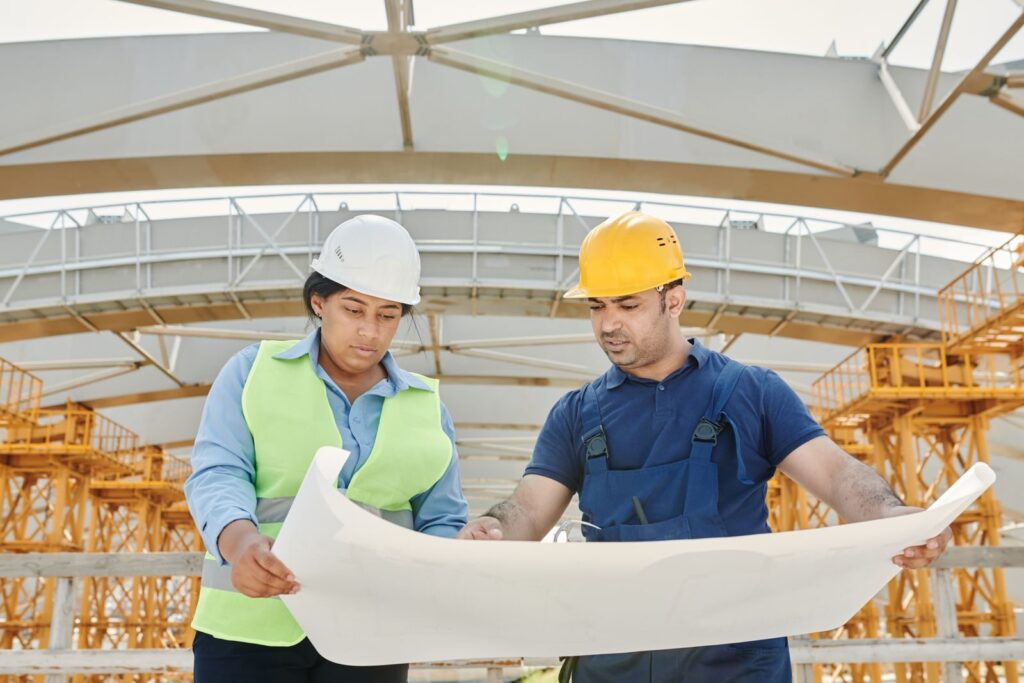
Industrial environments are always changing. New machinery arrives, production demands shift, safety standards evolve and layouts that once worked perfectly can suddenly feel outdated. For businesses, the real challenge is not just keeping up with change, but doing it without causing unnecessary disruption.
That is where flexible engineering solutions come into their own. By using systems that can be adjusted, extended or reconfigured, industrial businesses can make practical changes more quickly and keep their workplaces working for them as their needs develop.
Modular Systems Make Change Easier
Traditional welded structures can be strong and reliable, but they are not always easy to modify once they are in place. Modular engineering systems offer a more adaptable alternative.
Using components that can be assembled and adjusted on site allows businesses to respond more easily when layouts change. Handrails, barriers, access platforms and other structures can often be altered without the need for major fabrication work.
For industrial sites where space is constantly being reassessed, this flexibility can make future upgrades far less complicated.
Safety Can Evolve with the Workplace
Changes to a workplace can sometimes introduce new risks. Moving machinery, creating additional walkways or changing storage areas may all affect how employees navigate a site.
Flexible safety systems make it easier to adapt protection measures alongside these changes. For example, a Kee Systems keyclamp handrail system can provide a practical option where businesses need sturdy handrails, barriers or other tubular structures that can be configured around different environments.
This kind of adaptable approach means safety does not have to be treated as a one-off project. Instead, infrastructure can evolve alongside the workplace.
Reducing Disruption During Improvements
One of the biggest headaches when upgrading an industrial site is keeping everything running. Closing areas for lengthy construction work can affect productivity, delay projects and create logistical problems.
Systems designed for straightforward installation can help reduce this disruption. Components that are assembled mechanically rather than welded on site may require less specialist hot work and can often be installed more efficiently.
This can be particularly useful in busy warehouses, factories and logistics facilities where extended downtime simply is not practical.
Supporting Future Expansion
Flexibility also matters for growing businesses. A solution that works well today may need to serve a completely different purpose a few years from now.
Choosing modular infrastructure can make expansion easier. Existing structures may be extended or reconfigured rather than removed and replaced entirely, helping businesses get more value from their original investment.
It also encourages companies to think beyond immediate requirements and consider how their spaces might need to change in the future.
Building More Adaptable Industrial Environments
The most effective industrial workplaces are often those designed with change in mind. Businesses cannot always predict exactly how their operations will evolve, but they can create environments that are easier to adapt when change happens.
From modular access systems and handrails to reconfigurable barriers and platforms, flexible engineering solutions give industrial businesses more options. They can help improve safety, reduce disruption and make future modifications far easier to manage.
As industrial operations continue to evolve, adaptability is becoming an increasingly important part of good engineering. By choosing systems that can change alongside their needs, businesses can create safer, more efficient workplaces that are better prepared for whatever comes next.





