The Swansea Roof Repair Delay That Could Cost Up to £6,000 This Winter
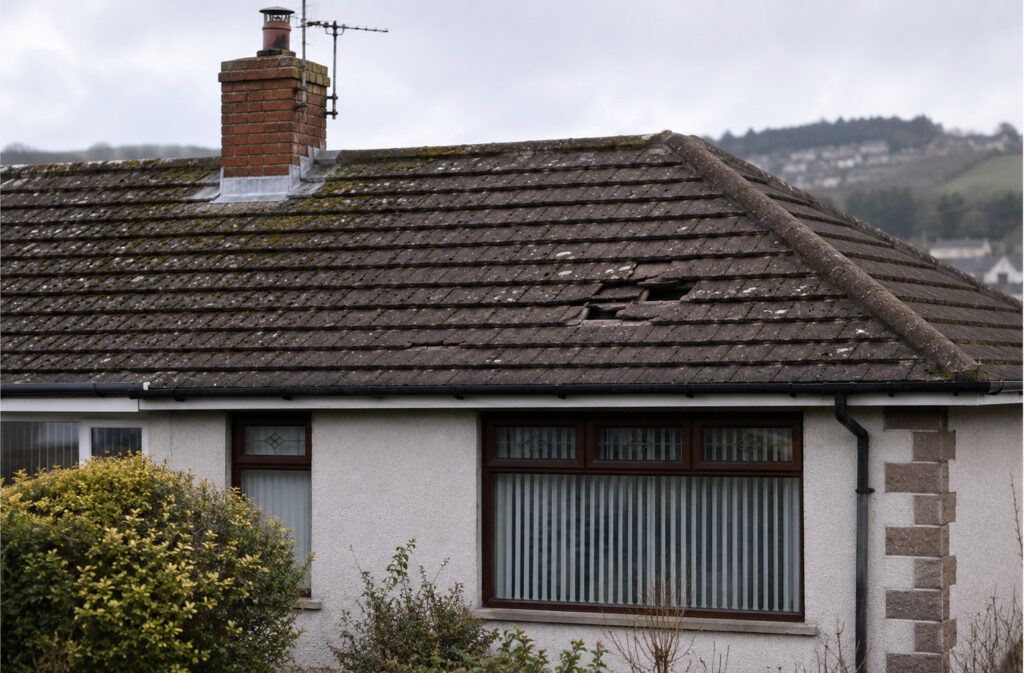
One loose slate or failed flashing may look manageable in autumn. Once repeated rain reaches the layers beneath the roof covering, the scope and cost can change quickly.
How a small defect can become a costly winter repair
Swansea homeowners do not need a dramatic roof failure to face a large spring bill. A known defect can widen as rain passes beneath the covering, reaches battens or underlay and begins affecting insulation, timber and internal finishes.
The “up to £6,000” figure is an upper-range escalation scenario, not the usual cost of a roof repair. Current UK cost guidance places the replacement of up to five damaged tiles at roughly £170 to £500, depending on access and materials. Wider underlay, timber and internal work can move the same problem into several thousand pounds.
The avoidable mistake is carrying a known weakness into the wetter months without establishing what has failed and whether the damage is still contained.
Why waiting for an indoor stain is risky
Water entering through a roof rarely travels straight down. It can track along underlay, rafters, battens or pipework before appearing on a ceiling some distance from the original fault. By the time staining or sagging plaster becomes visible, the affected area may be larger than the mark suggests.
Autumn defects can also look minor from ground level. A slipped slate, cracked ridge detail, failed flashing or leak during heavy rain may appear capable of waiting until spring.
Each further wet spell gives moisture another opportunity to reach materials beyond the original repair.
The useful question is not whether the fault looks dramatic from the garden. It is whether the roof remains weather-tight.
Swansea’s climate gives defects repeated chances to worsen
Met Office climate averages for Mumbles Head record about 1,277mm of rain a year and more than 160 days with at least 1mm of rainfall. October, November and December are among the wettest months in the local record.
Named storms are not limited to a fixed November-to-March period. The Met Office and its partners publish a new list each September and name storms when their expected effects could justify an amber or red warning.
That makes early autumn a practical inspection window. The aim is not to predict the next storm. It is to deal with existing weaknesses before prolonged wet and windy weather tests them repeatedly.
Where the repair bill begins to climb
The initial small repair cost
Replacing a few accessible tiles is usually a hundreds-of-pounds job. Current guidance places up to five easily sourced tiles at about £170, rising towards £500 where access is difficult or scaffolding is needed. Slate, flashing, pointing and flat-roof faults vary, so the quotation should reflect the property and the actual defect.
The winter damage worsening cost
Once water passes beneath the covering, the repair may extend to underlay, battens or insulation. A small felt patch can cost around £200, while wider replacement beneath tiles may run into several thousand pounds once tile removal, scaffolding and rebuilding are included.
The structural damage repair cost
If moisture reaches roof timbers, ceilings or adjoining fabric, one defect can become several jobs. Damaged timber, wet insulation, drying, ceiling repairs and redecoration can push the total towards £6,000. This is not the usual outcome, but it becomes plausible when the damage is no longer contained.
The insurance claim complication
Buildings insurance may cover sudden storm damage, subject to the policy, but it does not replace maintenance. Wear, tear and deterioration are commonly excluded, and the roof’s condition before the event may be considered.
Homeowners should photograph the damage, note when it was found and contact their insurer promptly where a claim may be involved. Permanent work should generally wait until the insurer has been contacted unless urgent temporary action is needed to prevent further damage.
Once water may have travelled beyond the visible covering, the priority is to establish how far the damage has spread and which repairs are genuinely necessary. Ridley Roofing and Building brings a local practitioner perspective to that assessment. Its family-run, Checkatrade-listed team handles slate, flat-roof, chimney and general roofing work across Swansea and towards Gower. For homeowners comparing Swansea roof repair specialists, a detailed written quotation should distinguish the original fault from any additional work uncovered beneath the roof covering.
What Swansea homeowners should do before winter
Check safely from the ground and loft
Look for slipped coverings, damaged ridge details, loose flashing, overflowing gutters and debris around valleys. From inside the loft, check for staining, damp timber or unexpected daylight. Do not climb onto the roof.
Address identified damage promptly
A minor defect does not automatically require extensive work, but it does need an accurate diagnosis. Ask what has failed, whether nearby materials remain sound, what access is required and whether making good is included in the quotation.
Understand the insurance implications
Keep photographs, quotations and receipts, and note when damage was first seen. Where storm damage may be involved, contact the insurer before permanent repairs begin, except where temporary measures are needed to limit further loss.
Check the roofer and the scope
Verify public liability insurance, relevant experience and recent work. A trade-body membership or reputable directory listing can help with initial checks, but neither replaces a clear written scope, fixed price where appropriate and explanation of exclusions.
Other weak points deserve attention
Chimney flashings, pointing, gutters, valleys, flat-roof edges and rooflight junctions all manage water. A useful inspection should distinguish routine maintenance from repair and should not recommend wider work without evidence.
In Wales, repairs or re-covering affecting less than 25% of a roof will not normally require a Building Regulations application. Structural alterations, more extensive renovation or a substantially heavier or lighter covering may be treated differently, so local building control should be consulted where the scope is unclear.
Homeowners preparing to sell may also benefit from resolving an active leak rather than leaving damp or a temporary patch for a survey to uncover.
The same principle applies across Wales
Met Office averages put annual rainfall across Wales at about 1,465mm for the 1991 to 2020 period, although exposure varies considerably between coastal, inland, eastern and western locations.
The Swansea pattern therefore has wider relevance without making every Welsh property equally vulnerable. Roof age, pitch, materials, orientation and maintenance history all influence how a building responds to bad weather.
Known damage is easier to assess while it remains limited than after repeated rainfall has enlarged the affected area.
The decision that protects the roof and the budget
Swansea’s wet and exposed climate gives a small defect repeated opportunities to worsen through autumn and winter. A repair costing a few hundred pounds when first identified can become a multi-thousand-pound job if water reaches underlay, timber, insulation or internal finishes.
That does not mean every loose slate will lead to a bill of up to £6,000. It means the upper end becomes credible once a contained repair develops into several connected jobs.
The decision made before prolonged wet weather sets in is the one most likely to protect both the roof and the household budget from avoidable escalation.
This article is for general information only and does not constitute structural engineering, building or insurance advice. Individual roof condition assessment requires consideration of specific property, structural and weather exposure circumstances that this article cannot address. Anyone considering a roof repair should engage with qualified roofing specialists appropriate to their specific circumstances, and consider adjacent professional advice from structural engineers, building surveyors and insurance advisers as appropriate.