Road Trips for Wellness: Exploring Beyond the Usual
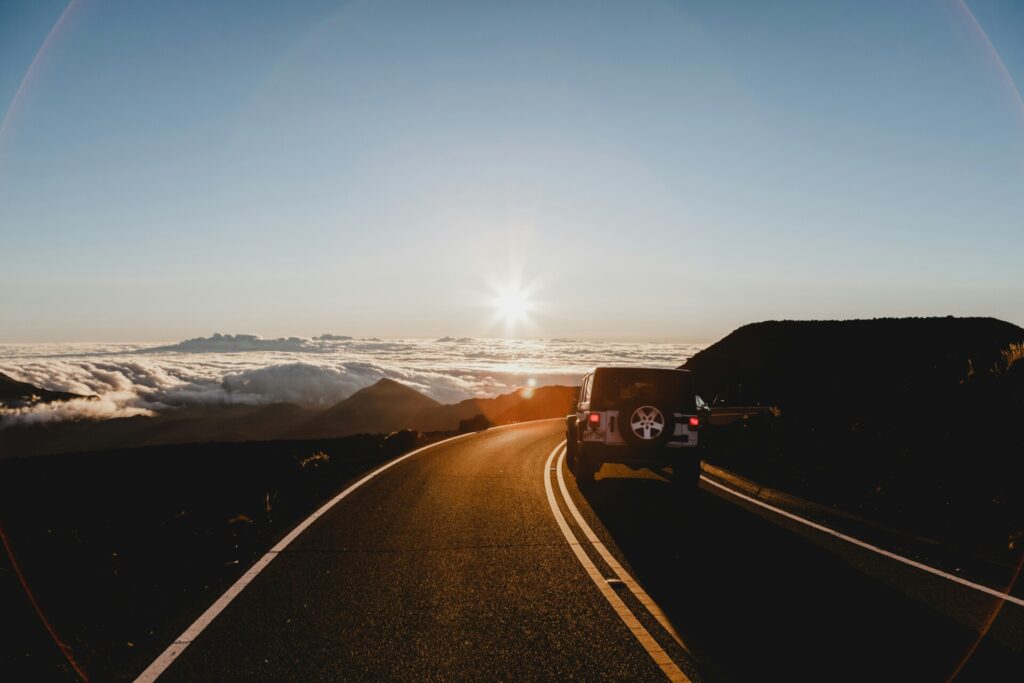
A road trip can create the time and space needed to rest, reset and return home feeling refreshed. Unlike tightly scheduled breaks, travelling by road lets you choose a comfortable pace, change direction when somewhere catches your interest and pause when you need a proper break.
A wellness-focused drive can take many forms, from a quiet weekend in rural Wales to a longer tour built around walking, nature and good sleep. The key is to plan enough for comfort and safety whilst leaving room for unhurried discoveries.
The Therapeutic Power of Travel
Time away from familiar routines can help create a clear boundary between work, household tasks and genuine rest. A change of surroundings also encourages you to pay closer attention to everyday experiences, such as the sound of a river or the view from a coastal path. Reflections on the open road and wellbeing often highlight this combination of movement, freedom and time for thought.
Road travel gives you control over the shape of the break. If crowded attractions leave you tired, you can focus on woodland walks, small villages and quiet viewpoints. Someone who wants gentle activity might plan a two-hour walk each morning, followed by lunch and an afternoon at their accommodation. Another traveller may prefer shorter stops every 60 to 90 minutes, particularly if sitting for long periods causes discomfort.
Think about what helps you feel restored before choosing a destination. Fresh air, regular sleep, nourishing food and reduced screen time are useful starting points. The growing interest in wellness tourism trips shows how travel can be shaped around these needs instead of a packed sightseeing list.
Keep expectations realistic. A short break won’t solve ongoing health concerns, but it can give you breathing space and encourage habits that remain useful once you’re home.
Planning Your Adventure on Wheels
Start with the amount of driving you genuinely enjoy. Four hours on a route planner can become six once you add meals, roadworks and spontaneous stops. For a two-night break, a destination within two or three hours of home often provides more time outdoors and less time watching the road.
Plan one main activity per day, then add a few optional places nearby. This keeps the schedule flexible if the weather changes or you decide to stay longer at a particular location. Download offline maps, record accommodation details and check opening times directly with each attraction. Rural cafés and visitor centres may close earlier outside peak season.
Your vehicle also shapes the plan. A small car may suit narrow country lanes, whilst a campervan offers more freedom over meals and overnight stops. Owners of classic, modified and specialist vehicles should confirm that their cover reflects the vehicle and how it will be used. If your existing policy is due for review, Get a quotes for car insurance today and check the terms, mileage limits and available cover before setting off.
Build a practical budget that includes parking, charging or fuel, meals and admission fees. Add a reserve for an extra night or an unexpected repair. That buffer means a minor delay is less likely to disrupt the whole break.
Essential Protection for Your Journey
Check the vehicle at least several days before departure, leaving enough time to fix any problems. Tyre condition and pressure, fluid levels, lights and windscreen wipers all deserve attention. If a service or annual roadworthiness test is approaching, arrange it before a long drive instead of hoping everything lasts until you return.
Carry a simple roadside kit with a phone charger, torch, warning triangle, warm layer and drinking water. A basic first-aid kit is sensible too. Store emergency contact numbers in your phone and write them on paper in case the battery fails. Breakdown cover can be particularly useful on remote roads where the nearest garage may be some distance away.
Personal protection matters as well. Tell a friend or relative where you expect to stay, especially when travelling alone. Share a broad route and agree on a time to check in. If your plans change, send a brief update while you have a reliable signal.
Rest is one of the most effective safety measures. Stop at least every two hours, or earlier if your concentration slips. Stretch your legs, drink water and eat something light. If you feel drowsy, find a safe place to stop and rest. Opening a window or turning up music won’t correct fatigue.
Keep valuables out of sight whenever you leave the vehicle. Take keys, identification and medication with you, even during a short stop at a viewpoint.
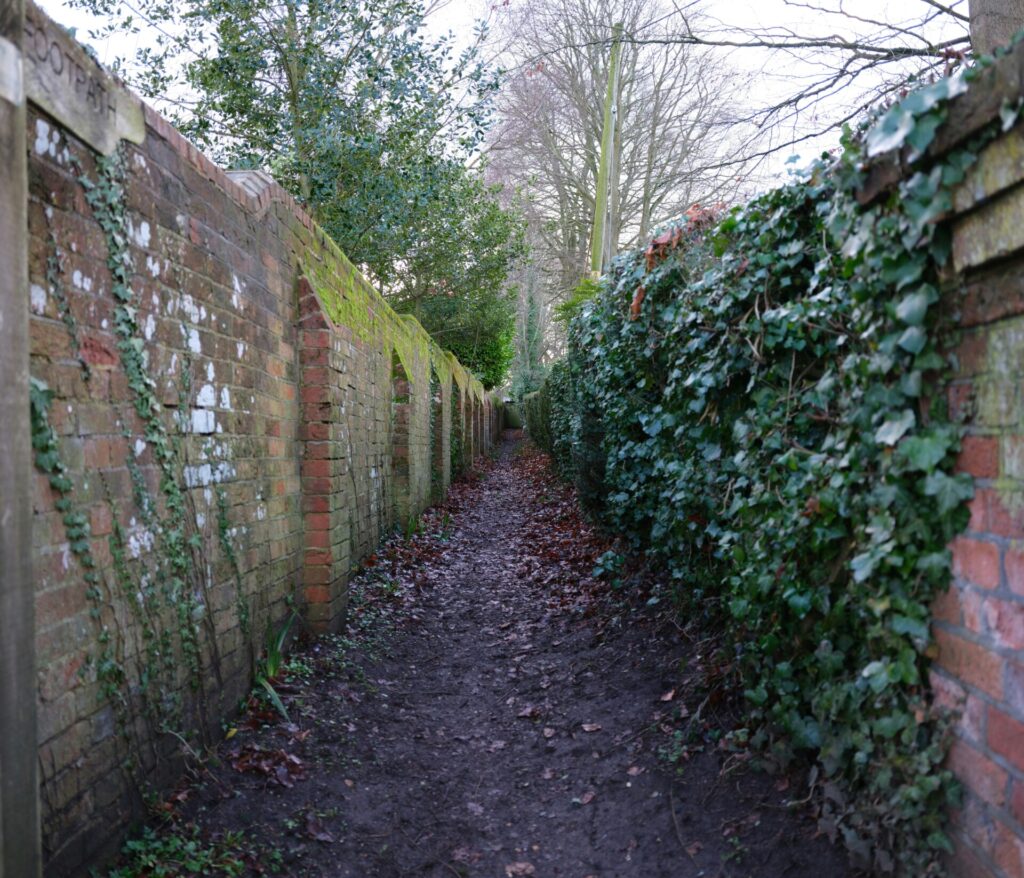
Image Credit: Unsplash
Discovering Hidden Gems
Popular places earn their reputation, but quieter stops often suit a restorative road trip better. Look beyond lists of major landmarks and search for community woodlands, nature reserves, independent gardens and short heritage trails. Local tourism pages, visitor centres and accommodation hosts can point you towards places that receive fewer crowds.
Mid Wales is especially rewarding for slower exploration. Travellers often pass through on their way elsewhere, yet the region has market towns, reservoirs, walking routes and cultural sites that reward a longer pause. This guide to Wales’ hidden gems offers ideas for attractions that can be missed when a route focuses only on the north or south.
Leave space for discoveries that don’t appear in the original plan. A sign for a riverside walk or a recommendation from a café owner may lead to the most memorable part of the trip. Check access, parking and path conditions before committing, particularly after heavy rain.
Choose stops that support the type of rest you need. Articles on relaxing travel destinations often focus on natural settings and a slower tempo, both of which can be found close to home. A peaceful afternoon beside a lake may do more for you than rushing between five major attractions.
Spend locally where possible. An independent café, farm shop or small guest house can give the visit more character whilst supporting the community hosting you.
Safety Tips for Remote Exploration
Remote areas need a little more preparation because mobile coverage, public facilities and passing traffic may be limited. Check the forecast before leaving your accommodation and review it again before a long walk. Conditions in hills and exposed coastal areas can change quickly, even when the morning begins with clear skies.
Download maps for offline use, but carry a paper map when exploring far from main roads. A phone can lose power or struggle to find your location in valleys. Take more water than you expect to need, plus food that travels well. A waterproof coat and warm spare layer belong in your bag throughout the year.
Park only in marked spaces or firm, permitted areas. Grass verges can become soft after rain, and stopping at field entrances may block residents or emergency access. Note where you left the vehicle and save the location on your phone before walking away.
Set a turnaround time for walks. If you haven’t reached the planned destination by that point, head back while there is still ample daylight. Stay on recognised routes, read local notices and keep a comfortable distance from livestock and cliff edges. Ideas around restorative wellness travel work best when rest and sensible limits remain part of the day.
Before leaving home, choose one quiet destination, one flexible activity and one reliable place to stay. That simple plan leaves enough structure for safety and enough freedom to enjoy the road at your own pace.
Featured Image Credit: Unsplash





