Community Living and Responsible Property Ownership
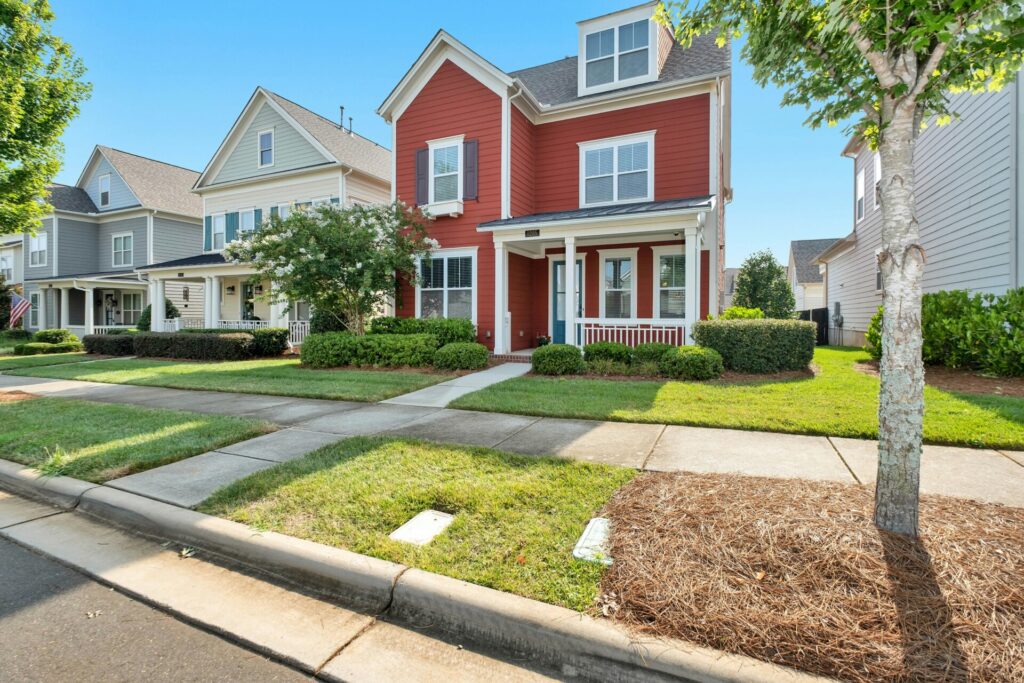
A well-managed rental home affects more than the people living inside it. Its condition, appearance and day-to-day management can influence neighbouring properties, local services and the wider sense of community, making proper landlord insurance essential.
Landlords therefore have responsibilities that extend beyond collecting rent and arranging occasional repairs. Clear communication, planned maintenance and sensible preparation for unexpected events can prevent small problems from becoming costly disputes. These practical measures also help tenants feel settled and give landlords greater confidence that their property is being treated with care. Indeed, many local authorities are now implementing rental registration schemes to further support the stability of their communities and ensure high standards in rented accommodation.
The Role of Landlords in Local Areas
Landlords contribute to stable communities when they keep homes occupied, respond to concerns and maintain properties to a suitable standard. Research into local housing stability highlights how dependable rental provision can support neighbourhood continuity. Although housing markets differ between regions, the basic principle applies widely: well-run homes give people a chance to establish roots.
Good management starts with understanding how a property fits into its surroundings. Bins left outside for days, an overgrown front garden or persistent noise can quickly strain relationships with neighbours. Give tenants clear information about waste collections, shared access and parking when they move in. Where a building has communal areas, explain who is responsible for cleaning them and how residents should report damage.
Landlords should also make it easy for neighbours to raise genuine property-related concerns. This doesn’t require sharing personal details or inviting complaints about tenants’ private lives. A dedicated email address gives people a suitable route to report a leaking exterior pipe, damaged boundary or similar issue.
Local investment can have a wider effect too. The story of a community hub internet upgrade in St Athan shows how property businesses can support useful neighbourhood facilities. Individual landlords may work on a smaller scale, but using local tradespeople, maintaining street-facing areas and engaging constructively with residents all strengthen community ties.

Image Credit: Unsplash
Ensuring Safe and Well-Maintained Homes
A written maintenance schedule helps you deal with predictable tasks before they lead to disruption. Divide the work into monthly, seasonal and annual checks, then record the date, outcome and any follow-up action. Your schedule might include checking water seals, clearing gutters, servicing fixed heating equipment and inspecting visible areas for damp.
Respond quickly when a tenant reports a possible hazard. A loose stair rail needs prompt attention, while a failed appliance or loss of heating may require an urgent visit. Even if a full repair can’t happen immediately, acknowledge the report, explain the temporary measures being taken and provide a realistic appointment time. Keep copies of messages and invoices so there’s a clear history of how you handled the issue.
A simple inspection every few months can reveal early warning signs, provided you give proper notice and respect the tenant’s home. Look for staining beneath sinks, cracked sealant around baths, blocked ventilation points and damage caused by water entry. Photographs can support your records, but tell the tenant what you’re documenting and avoid personal possessions wherever possible.
Clear standards of landlord accountability also help tenants understand how to report unresolved concerns. Landlords should check the rules that apply to their property, including safety checks, deposit handling and repair duties. Requirements vary between jurisdictions, so use official local guidance or take professional advice when obligations are unclear.
Budgeting matters as much as scheduling. Set aside money each month for maintenance and unexpected repairs. A modest reserve can make the difference between arranging a same-week fix and allowing damage to spread while funds are found.
Safeguarding Your Rental Property
Even a carefully maintained home can experience storm damage, escape of water or accidental breakage. Start with an up-to-date inventory that describes the condition of rooms, fixtures and any items supplied with the tenancy. Date-stamped photographs provide useful detail, particularly for flooring, kitchen surfaces and bathroom fittings.
Review insurance whenever the property, tenancy or level of cover changes. Landlords comparing options can consider Swinton landlord insurance, which compares quotes from a panel of insurers and offers cover options for rental property risks and potential financial losses. Read policy terms closely, including exclusions, excesses and any conditions relating to inspections or periods when the home is empty.
Ordinary home insurance may not reflect the risks associated with letting a property. Depending on the policy selected, landlord cover may include the building, landlord-owned contents and other specified costs. You’ll still need to confirm what is covered because features and limits differ. Tenants generally remain responsible for arranging cover for their own belongings.
Reduce preventable losses with clear routines. Give tenants the location of the water shut-off point and explain how to isolate the supply during a leak. Provide one contact route for urgent problems outside normal hours. If the property will be empty between tenancies, check it regularly, secure all entry points and follow any vacancy conditions set by the insurer.
Keep key records together in secure digital and paper formats. The file should contain inspection notes, tenancy documents, safety certificates, receipts and correspondence about repairs. If an incident occurs, notify the relevant provider promptly and avoid disposing of damaged items until you’ve received instructions. Accurate records can make it easier to establish dates, costs and the action already taken.
Building Positive Tenant Experiences
Tenants are more likely to report faults early when communication is consistent. Provide a practical welcome pack with contact details, payment information, equipment instructions and repair procedures.
Set realistic response times. Acknowledge routine messages within one working day, assess urgent repairs promptly and provide updates when delays occur. Honest communication is better than promises that cannot be kept.
Professional rental regulation programmes emphasise clear standards and accountability. Apply the same principles by using consistent reporting processes, documenting decisions and avoiding unclear informal arrangements.
Ask for feedback after repairs or inspections to confirm that issues have been resolved. This can help identify intermittent problems such as boiler faults or damp after heavy rain.
Respect tenants’ privacy by arranging visits in advance, agreeing suitable times and explaining who will attend. Contractors should also leave the work area clean.
At the end of a tenancy, provide clear check-out instructions and compare the property with the original inventory fairly, allowing for normal wear. Consistent, professional communication helps protect the property and reduce disputes.
Featured Image Credit: Unsplash