The Importance of Prioritising Employee Safety in the Workplace and How to Make it Happen
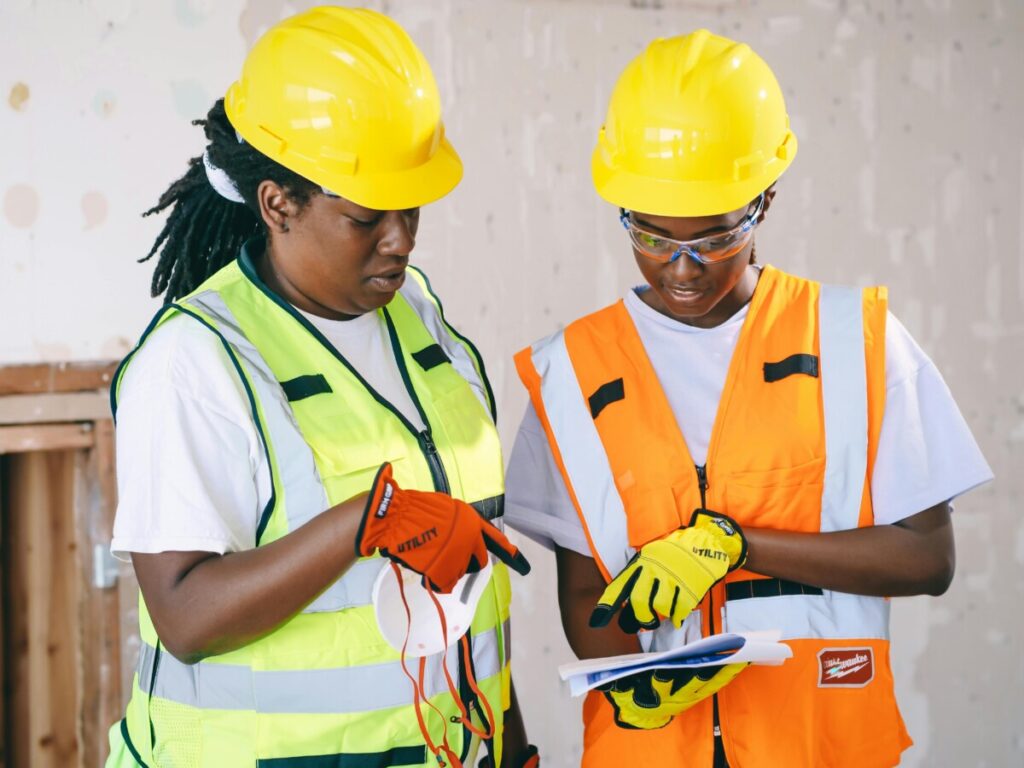
There are so many tasks to juggle and responsibilities to consider when you run a small business. This means that keeping up to date with everything you need to do can be challenging. While your workload may be hectic, one area of your business that should never be overlooked is the safety of your employees.
Prioritising employee safety in the workplace is a must. There’s so much more to looking after your employees than simply paying them a fair wage and offering staff perks. Every day in the workplace there are potential risks that your employees face. While some industries are no doubt more dangerous than others, it’s possible for safety to be compromised in any workplace, whether on the factory floor or in a retail space. So, taking a proactive approach to employee safety should always be made a top priority.
Why Focusing on Employee Safety is a Must
Working on improving employee safety not only helps to protect your staff, it’s also vital for protecting your business. Obviously, the health and wellbeing of your team comes first, but it’s also crucial to consider your company’s future. Accidents at work can have a significant impact on the success of your company. If an employee decides to take legal action against your company after being injured in accident at your business it can cause you sizeable financial losses. The cost of paying compensation to your employee coupled with the legal fees you incur along the way can severely impact your profits. But the cost of an employee being injured at work can stretch far beyond monetary value.
A poor health and safety record could result in huge reputational damage to your business, impacting whether your customers want to do business with you, and jeopardising business relationships. But that’s not all. Reputational damage can also cause you to struggle to attract the best talent to your company when you next need to recruit.
How to Prioritise Employee Safety in Your Workplace
There’s no question that focusing on ensuring that your workplace is safe for your employees is vital. However, it can be challenging to know where to begin when renewing your focus on workplace safety. With this in mind, here are some helpful tips to inspire you as you put employee safety at the forefront of your organisation.
Lead by ExampleA workplace that prioritises safety doesn’t happen without effort. You won’t suddenly find that your team knows exactly how to keep everyone safe in the workplace. Instead, this happens by developing a culture of safe working practices.
When it comes to safety in your organisation, leading by example is essential. Your team is unlikely to take workplace safety seriously if your own attitude towards it is lax. Leading by example and demonstrating to your employees that you are committed to safe working practices will help to reiterate its importance throughout your organisation.
Focus on Staff Training
Staff training is one of the single most effective ways to improve safety in your workplace. Your staff training will need to cover a few different areas. Firstly, it’s important to book your employees onto training courses that help them to understand the risks that are present in the work environment. These courses will educate your team to understand the potential risks, what they can do to reduce the chances of safety hazards arising, and what action to take if a safety issue does occur.
Along with booking your team onto training courses that provide information on potential safety issues, it’s also vital to provide training that is specific to their role. Each workplace has its own potential risks and hazards, so training should be tailored to reflect the specific safety issues that could occur in your workplace. This will include safe working processes and procedures, and full training on how to operate any equipment in the workplace safely.
Carrying out training as a one-off session is helpful, but it’s often not enough. Repeating staff training regularly with refresher sessions is an excellent way to keep safety at the forefront of your team members’ minds. Maintaining accurate records to show which team members have received training is also crucial. These records will help you to spot gaps in your team’s knowledge that could cause safety issues in the future.
Put Safety Processes in Place
Training your team on topics such as the safe operation of equipment is a must to reduce the chances of accidents at work. But it’s also essential to put safety processes in place that your employees can refer to as needed.
Process documents that detail the correct way to perform each task at work, and specify safe working practices are essential for promoting a culture of safety in your company.
Keep Up With Maintenance
Training your team and putting safe working practices in place are both crucial tasks to perform to protect your staff. However, it’s also essential to consider the equipment that your team uses each day. Ensuring that your employees have a safe working environment starts with the equipment they use each and every day to perform their roles. Ensuring that your workplace equipment is properly maintained is an excellent way to get started. Checking that your electrical equipment undergoes PAT testing as required to ensure that it is safe for your employees to use is crucial.
For larger pieces of equipment, especially heavy machinery, it’s vital that you schedule regular servicing and maintenance checks. Thorough maintenance will help to detect any potential issues before they become a bigger problem that could impact employee safety.
Final Thoughts
The safety of your employees while at work should be a top priority. The impact of a workplace accident can have devastating consequences for everybody involved. Working on improving employee safety within your organisation requires a multi-faceted approach to be successful. Combining high-quality training with a culture that prioritises safety and well-maintained equipment will go a long way towards ensuring your employees are protected when they come to work every day.