Drivers warned sunglasses mistake could lead to £5,000 fines this summer
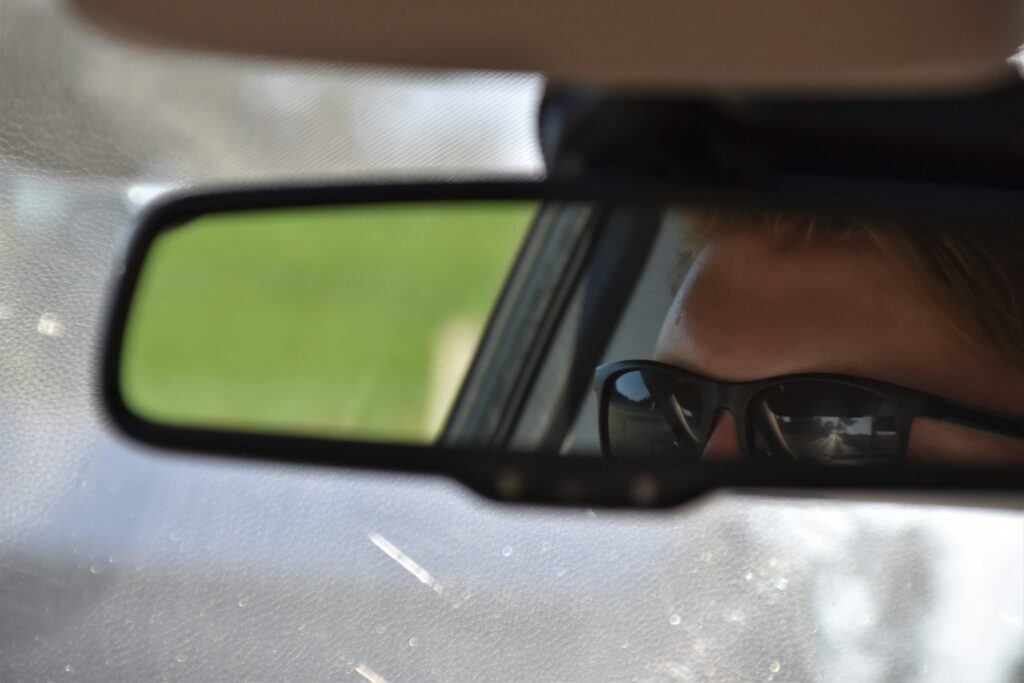
Drivers are being urged to think twice about the sunglasses they wear behind the wheel this spring and summer, with motoring experts warning that the wrong lenses could affect visibility and potentially lead to driving penalties.
Experts at Mercury Car Centre say many motorists underestimate how quickly driving conditions can change during journeys, particularly during periods of strong sunlight and glare.
While sunglasses are legal to wear while driving in the UK, heavily tinted lenses may make it harder for drivers to react safely when moving between bright sunlight and shaded roads, tunnels or built-up areas.
Neil Hutchinson, car specialist at Essex car servicing company, Mercury Car Centre, said many drivers only think about comfort in sunny weather rather than how sunglasses affect visibility behind the wheel.
“A lot of motorists put on sunglasses simply because the sun feels bright, but they don’t always consider how those lenses affect visibility once driving conditions start changing.”
“You can move from strong sunlight into shaded roads or darker areas within seconds, and if lenses are too heavily tinted it can take longer to adjust and spot hazards clearly ahead.”
“That’s where reaction times can be affected, especially in busy traffic or on faster roads.”
The Highway Code advises motorists to slow down or stop if they are dazzled by sunlight, with glare recognised as a major hazard during early morning and late afternoon journeys.
According to Mercury Car Centre, glare can become particularly dangerous during spring and summer months when sunlight sits lower in drivers’ direct line of sight during commuting hours.
Neil explained that drivers often underestimate how much poor visibility can affect concentration levels during longer journeys.
“Glare is something many drivers treat as a frustration rather than a genuine driving hazard, but it can seriously reduce how clearly you’re able to read the road ahead.
“If drivers are squinting, struggling to see road signs properly or constantly adjusting visors while driving, concentration is already being affected.
“Even a brief moment of unclear vision can make a major difference when traffic suddenly slows or another road user appears unexpectedly.”
Drivers are also being warned against using heavily tinted Category 4 sunglasses behind the wheel. These lenses are designed for extremely bright environments such as skiing or mountain conditions and are generally considered unsuitable for driving because they allow very little light through.
Drivers whose visibility is affected behind the wheel could face penalties under careless driving laws, including fines of up to £5,000 in more serious cases if unsafe driving is involved.
“Drivers should remember that sunglasses designed for holidays or fashion aren’t always ideal for road use. When you’re behind the wheel, you need clear visibility in all directions and the ability to react quickly to changing conditions.”
“The safest option is always making sure anything you wear while driving improves visibility and comfort rather than limiting it.”
The experts are also advising motorists to keep windscreens clean during sunny weather, as dirt, smears and dust can worsen glare and make visibility even more difficult in bright conditions.
“Many drivers don’t realise how much a dirty windscreen can amplify glare from sunlight, particularly during early mornings or late afternoons.”
“Keeping glass clean inside and out can make a noticeable difference to visibility and reduce strain during longer journeys.”