How Thermal Transfer Labels Improve Barcode Printing Quality
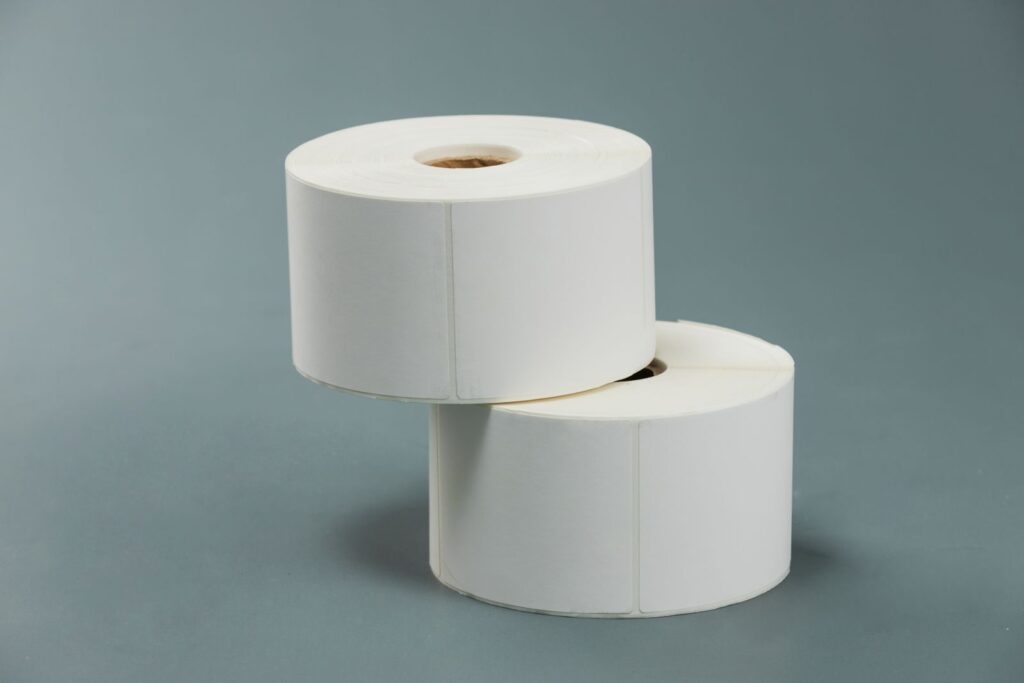
In industries where barcode accuracy is essential, the quality of a printed label can have a significant impact on day-to-day operations. Warehouses, retailers, ecommerce businesses, manufacturers, and logistics companies all rely on barcode systems to manage stock, improve traceability, and maintain efficient workflows. When barcode labels become damaged, faded, or difficult to scan, businesses often experience delays, operational inefficiencies, and avoidable costs.
This is why thermal transfer labels have become one of the most reliable solutions for professional barcode printing, and are widely supplied by specialist manufacturers such as Label Metrics. Designed to produce sharp, long-lasting print quality, thermal transfer labels are widely used in environments where durability and consistent scanning performance are critical. Businesses that require dependable barcode labels for long-term use often choose thermal transfer printing because it delivers excellent clarity while resisting wear and environmental exposure.
Understanding how thermal transfer labels improve barcode printing quality can help businesses select the right labelling solution for their operations while improving efficiency across the supply chain.
What Are Thermal Transfer Labels?
Thermal transfer labels are produced using a thermal transfer printer, which applies heat to a specialised ribbon in order to transfer ink onto the label material. This process creates a permanent printed image that is far more durable than many alternative printing methods. Unlike direct thermal labels, which rely on heat-sensitive paper that can fade over time, thermal transfer labels are designed for long-lasting performance and enhanced resistance to environmental conditions.
The result is a highly durable label with excellent print clarity, making thermal transfer printing particularly suitable for barcode applications. Businesses that require labels to remain readable over extended periods often prefer thermal transfer technology because it delivers a cleaner and more stable print finish.
Across sectors such as warehousing, manufacturing, healthcare, and retail, thermal transfer labels are trusted for applications where barcode accuracy and reliability are essential to operational performance.
Why Barcode Printing Quality Is So Important
Barcode labels are a vital part of modern inventory management and logistics systems. Every time a product is scanned, the barcode must be clear enough for scanners to read instantly and accurately. If barcode labels are poorly printed or become damaged over time, businesses may experience failed scans, incorrect stock records, delayed shipments, and manual processing errors.
Even small scanning issues can create larger operational problems, particularly for high-volume businesses that process thousands of products each day. In fast-paced warehouse and distribution environments, barcode readability directly affects productivity and workflow efficiency.
Thermal transfer labels help eliminate many of these problems because they produce highly defined barcodes with excellent contrast and sharp edges. This improves scanner readability and reduces the likelihood of scanning failures during handling, transportation, and storage.
Superior Durability for Long-Term Use
One of the main reasons businesses choose thermal transfer labels is their exceptional durability. In many industrial and commercial environments, labels are exposed to friction, moisture, temperature changes, and regular handling. Standard labels may quickly deteriorate under these conditions, causing barcode information to fade or become unreadable.
Thermal transfer printing creates a much stronger printed image that is resistant to scratching, smudging, and environmental wear. Because the ink is transferred permanently onto the label surface, the barcode remains intact for significantly longer periods compared to direct thermal printing methods.
This durability makes thermal transfer labels particularly valuable for long-term applications such as warehouse storage, asset tracking, shipping operations, and industrial product identification. Businesses benefit from reliable barcode performance throughout the entire product lifecycle without needing frequent relabelling.
Improved Barcode Scanning Accuracy
Accurate barcode scanning is essential for maintaining efficient operations. Barcode scanners depend on clear print definition and strong contrast in order to read information quickly. If a barcode becomes blurred, faded, or damaged, scanning performance can slow down dramatically and increase the risk of human error.
Thermal transfer labels are specifically designed to produce crisp and highly readable barcodes. The printing process creates precise lines and clean edges, allowing scanners to detect barcode information quickly and consistently. This can significantly improve productivity in warehouses, distribution centres, and retail environments where rapid scanning is required throughout the day.
Businesses that invest in high-quality thermal transfer labels often experience fewer scanning interruptions and improved inventory accuracy. Over time, this can lead to smoother workflows, better stock control, and reduced operational costs.
Resistance to Harsh Environmental Conditions
Many industries operate in environments where labels are exposed to challenging conditions. Moisture, chemicals, heat, sunlight, and fluctuating temperatures can all affect barcode readability if unsuitable labels are used.
Thermal transfer labels are designed to withstand demanding environments far more effectively than standard paper labels. Depending on the label material and ribbon combination, thermal transfer printing can provide excellent resistance to water, abrasion, oils, and chemical exposure. This makes the technology highly suitable for industrial manufacturing, cold storage, outdoor logistics, and healthcare environments.
For businesses that require dependable barcode performance under difficult conditions, thermal transfer labels offer a level of reliability that many alternative labelling solutions cannot match.
Long-Term Cost Efficiency
Although thermal transfer printing requires the use of ribbons, many businesses find that it offers better long-term value due to its durability and reliability. Labels that remain scannable for longer periods reduce the need for replacements and minimise operational disruption caused by barcode failures.
Poor-quality labels can create hidden costs through delayed processing, incorrect inventory records, and wasted labour time. By using thermal transfer labels, businesses can improve operational efficiency while reducing the likelihood of expensive scanning issues.
For companies handling large volumes of inventory, the long-term savings associated with reliable barcode performance can outweigh the initial investment in higher-quality labelling solutions.
Why Thermal Transfer Labels Are Popular Across Multiple Industries
Thermal transfer labels are widely used because they are suitable for a broad range of industries and applications. Their popularity is largely due to their versatility, which allows businesses to customise labels according to their specific operational requirements while maintaining excellent print durability.
In warehousing and logistics, thermal transfer labels help ensure products can be tracked accurately throughout storage and distribution processes. In retail environments, they provide reliable barcode performance for pricing, stock management, and point-of-sale systems. Manufacturers often use thermal transfer labels for compliance labelling, serial numbers, and asset identification, while healthcare providers rely on durable barcode labels for patient safety and pharmaceutical tracking.
The ability to maintain consistent print quality across different applications is one of the key reasons thermal transfer labels continue to be trusted throughout commercial industries.
Thermal Transfer Labels vs Direct Thermal Labels
Businesses often compare thermal transfer printing with direct thermal printing when choosing a barcode labelling solution. While direct thermal labels can be effective for short-term use, they are generally less durable and more vulnerable to environmental exposure.
Direct thermal labels use heat-sensitive material that can fade over time when exposed to sunlight, heat, or friction. This makes them less suitable for applications where long-term barcode readability is required.
Thermal transfer labels, by comparison, provide significantly greater durability and print stability. The permanent transfer of ink onto the label surface creates a much stronger image that remains readable even after extended handling and storage.
For businesses that require dependable barcode performance over longer periods, thermal transfer labels are often considered the superior option.
Conclusion
Thermal transfer labels play an essential role in improving barcode printing quality across a wide range of industries. Their ability to produce clear, durable, and highly scannable barcodes makes them an ideal solution for businesses that depend on accurate inventory management and operational efficiency.
By offering superior print durability, improved scanning accuracy, and strong resistance to environmental conditions, thermal transfer labels help businesses reduce errors, improve workflow performance, and minimise costly disruptions. Whether used in warehousing, retail, manufacturing, healthcare, or logistics, thermal transfer printing continues to provide reliable barcode solutions for demanding commercial environments.
As businesses continue to prioritise efficiency and traceability within modern supply chains, thermal transfer labels remain one of the most trusted and effective barcode printing technologies available.