How Unexpected Costs Can Derail a Company’s Event Budget
Event budgets rarely go over because of one huge, dramatic overspend. They drift over budget through a string of smaller costs nobody priced in from the start, and the biggest of these is often tied to the venue itself. A quote that looked comfortable during planning can feel tight by the week of the event once service charges and last-minute changes are added on top.
Spotting where these costs tend to appear, and building some flexibility into the plan early, makes the difference between a budget that holds and one that needs defending to a finance team afterwards. The sections below cover the areas that catch companies out most often, along with the planning that keeps them under control.
Venue costs that grow the longer you wait
Venues price rooms the way hotels price a night’s stay, with rates that firm up and often rise as a date gets closer and fewer slots remain. The same forces behind steep last-minute price rises in music and theatre apply just as much to function rooms and conference spaces, since a venue with only a handful of open dates left has little reason to hold its early pricing.
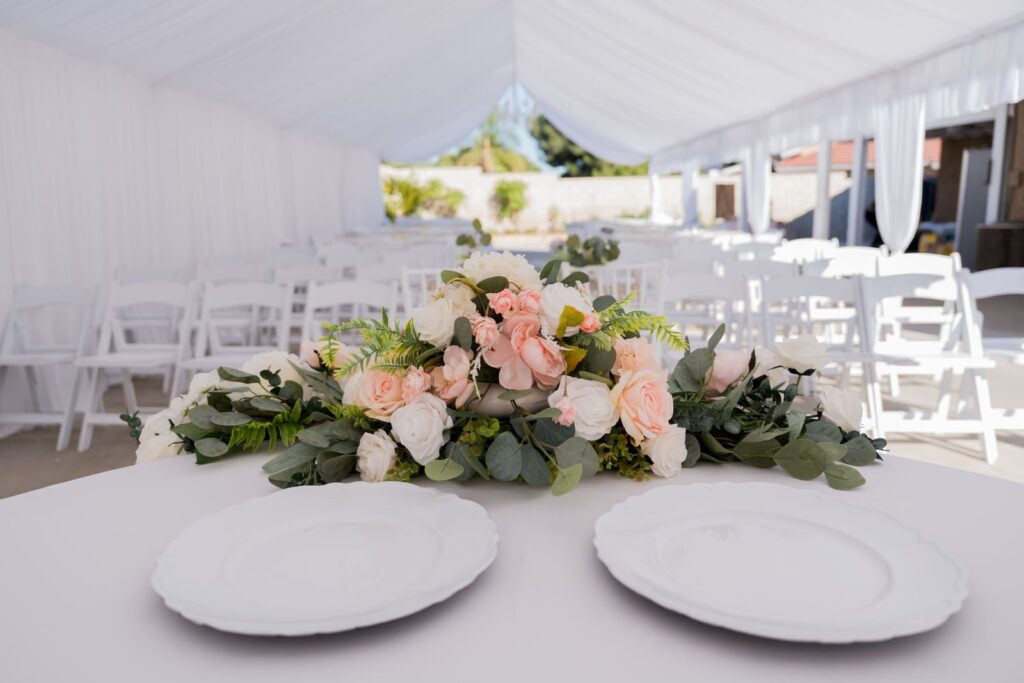
Locking in a flexible venue option early avoids this squeeze altogether. Choosing to hire a marquee London provides a fixed price locked in months ahead of the event, on a structure that can go up on a car park, garden or existing company site within a day, well before venues raise their rates for the busiest weeks of the year.
Catering, staffing and technical add-ons
Catering quotes usually cover the meal itself, but service charges, extra courses and bar staff often sit outside the headline figure and only appear once the final invoice lands. Asking for a fully itemised quote before signing anything makes these extras visible while there’s still time to adjust.
Technical requirements follow a similar pattern. Microphones, screens and event WiFi are frequently billed as separate items rather than included in the venue fee, and overtime charges appear the moment setup runs past the agreed window. Confirming what a venue’s standard package includes, in writing, closes off one of the most common sources of last-minute cost.
Building room for the unexpected
Setting money aside up front, in the form of a dedicated contingency fund, gives a team room to absorb genuine surprises without derailing the budget. A working figure of ten to fifteen per cent of the total covers most of what tends to come up, from a supplier price change to a last-minute client request.
Reviewing costs against the original plan at fixed points, rather than only once invoices arrive, also helps. Catching a venue’s extra charge a few weeks out leaves time to negotiate, instead of absorbing the difference after the event has happened.
Some checks are worth building into every event plan from the start:
- Get a fully itemised quote from the venue, not a single headline figure
- Confirm what technical equipment is included before booking any extras
- Set a contingency of at least ten per cent and treat it as protection, not spare spending money
None of this removes every surprise from event planning, but it turns most of them into costs that were expected all along, which is usually the difference between a budget that survives the event and one that needs explaining afterwards.