Istanbul’s Two Sides and What They Mean for Your Trip
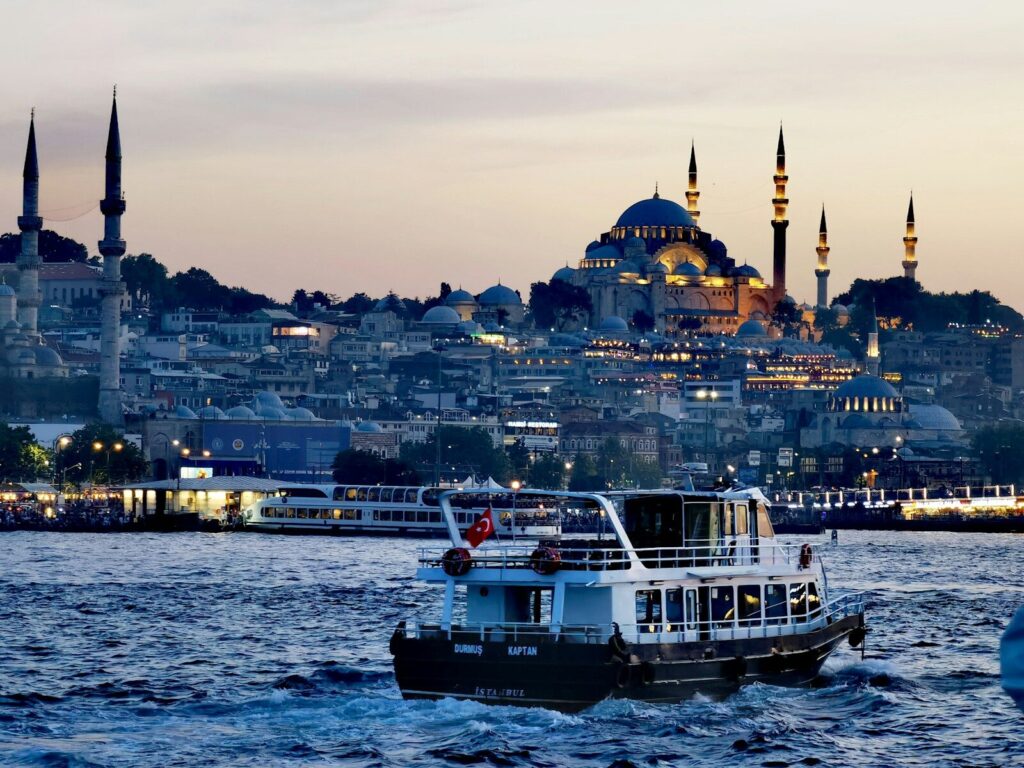
Istanbul is split between two continents by the Bosphorus Strait, with the European side to the west and the Asian side to the east. Most first-time visitors spend their time on the European side, where the major historical sites and tourist districts are concentrated, but the Asian side offers a different pace and is worth factoring into your plans. Understanding how the city is laid out will help you decide where to stay and how to move between areas and structure your days.
The European Side
The European side is further divided by the Golden Horn, an inlet that separates the historic peninsula from the more modern northern districts. South of the Golden Horn, the Sultanahmet and Fatih neighbourhoods form the old city, home to the major mosques, the historic bazaar district, and most of the archaeological sites that draw visitors to Istanbul. This is where the tourist traffic is heaviest, and streets can feel crowded during peak season.
North of the Golden Horn, the Beyoğlu, Taksim, and Galata districts have a different character. The main pedestrian avenue is lined with restaurants, galleries, and shops, while the surrounding streets hold a mix of rooftop bars, independent cafés, and cultural venues. Checking opening times, restaurant availability, and local events is easier when you have access to working mobile data throughout the day. A Holafly eSIM plan for Turkey keeps your phone connected across the city, which helps when you are comparing options, navigating side streets, or finding a meeting point in a busy district.
The Asian Side
Kadıköy and Üsküdar are the two main districts on the Asian side. Kadıköy is known for its food market, waterfront dining, local bar scene, and a more relaxed atmosphere than the tourist-heavy European districts. Üsküdar is quieter and more residential, though its waterfront offers some of the best views back across the Bosphorus toward the old city’s skyline.
The Asian side draws fewer international visitors, which means prices are lower and the crowds thinner. A half-day or full-day visit can provide a refreshing break from the busier European districts, and the ferry crossing itself is part of the experience.
Getting Between the Two Sides
Ferries are the most popular way to cross the Bosphorus. Services run roughly every 10-15 minutes during the day, with reduced frequency in the evening. The journey takes around 20 minutes, and the views of the city from the water are worth the trip alone. Fares are paid using the same rechargeable transit card that works on buses, trams, and the metro.
The rail tunnel beneath the Bosphorus also connects the two sides and is faster than the ferry. Road bridges link the continents as well, but traffic is heavy during peak hours, so they are best avoided unless you are in a taxi late at night.
Choosing Where to Stay
Think about how you plan to spend your time. Sultanahmet suits visitors who want to see historical sites and mosques. Beyoğlu and Galata work better for those who want evening dining, nightlife, and walkable streets with a mix of old and new. Kadıköy appeals to visitors who prefer a local atmosphere with easy ferry access to the European side.
Prices across the main tourist districts rise during summer and public holidays, so booking early is worth the effort. Wherever you stay, check the walking distance to the nearest tram, metro, or ferry stop. Istanbul is a large city, and a well-connected location reduces the time spent in traffic or waiting for connections.
Planning Days by Location
Spend full days on one side before crossing, since the ferry or metro transfer adds time and effort if repeated multiple times a day. A typical plan might dedicate two or three days to the European side’s historic and modern districts, with one day set aside for the Asian side.
Leave flexibility for weather and energy. Some areas are hilly and exposed to wind off the Bosphorus, so pace your walking days and have an indoor backup option for each area.
Getting the Most From Both Sides
Istanbul’s layout makes more sense once you stop thinking of it as one city centre with suburbs. Each district has a different identity, food scene, and pace. Plan by area, use the ferries, and give the Asian side enough time to make the crossing worthwhile.