Opinion: Wales Voted for Change – But Is Plaid Cymru Already Falling Into the Same Trap?
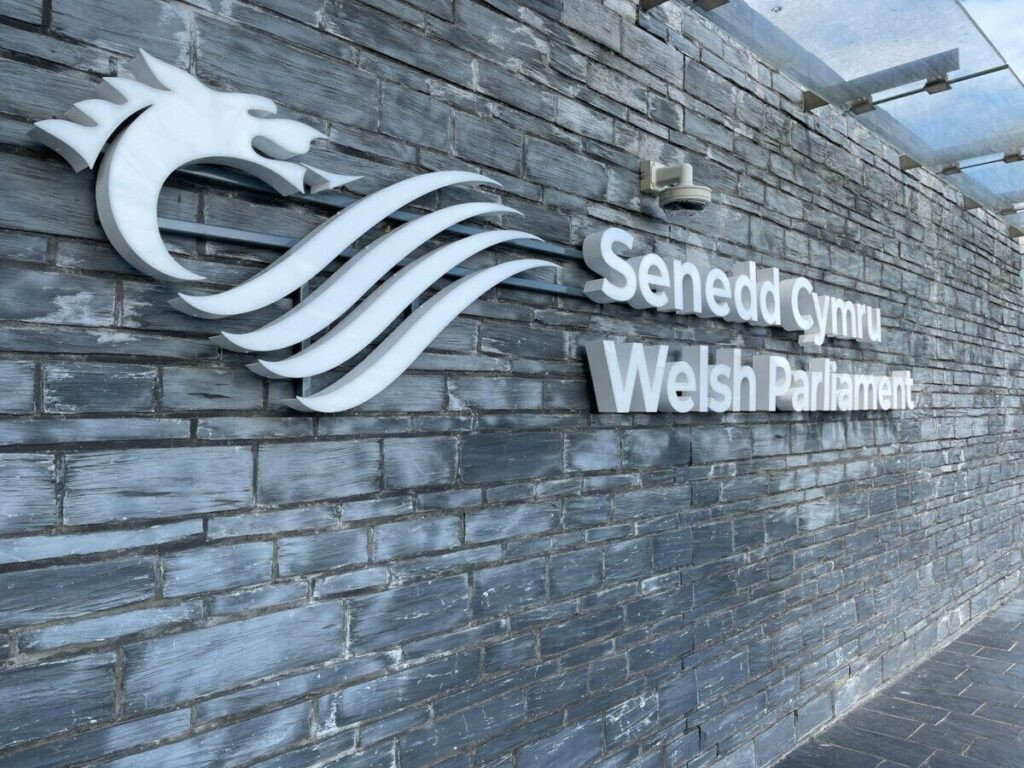
Plaid Cymru’s victory in the 2026 Senedd election was historic.
After decades of Labour dominance, Welsh voters delivered a clear message that they wanted something different. They wanted fresh thinking, stronger delivery and a government focused relentlessly on improving public services and growing the economy.
Yet only weeks into the new political era, there are already signs that Plaid risks falling into the same trap that it spent years accusing Labour of creating: plenty of ambition, plenty of announcements, but not enough detail on how the promises will actually be delivered.
The issue is not whether Plaid’s policies are desirable. Many are – if Wales can afford them.
The issue is whether they are properly costed, fully planned and ready to move from campaign slogan to government programme.
The Childcare Example
Nothing illustrates the problem better than Plaid’s flagship childcare policy.
During the election campaign, the party promised what it described as the most generous childcare offer in Wales, providing significant free childcare support for families with children from nine months to four years old. It became one of the centrepieces of the party’s campaign.
However, during a high-profile Channel 4 interview before the election, Plaid leader Rhun ap Iorwerth was unable to explain how much the policy would cost or where the money would come from. According to reports, party officials later stated that the scheme would cost around £400 million.
That moment mattered.
For years, Plaid criticised opponents for making spending commitments without fully explaining how they would be funded. Yet when challenged on its own flagship policy, the party found itself facing precisely the same accusation.
The irony was difficult to ignore.
Criticising Others for Uncosted Promises
Only weeks before the election, Plaid had launched attacks on Reform UK over what it described as unfunded spending commitments and a potential £1 billion hole in public finances. The party argued that voters deserved to know exactly how promises would be paid for.
That is a reasonable argument.
The problem is that many observers felt the same standard was not always applied to Plaid’s own manifesto.
The Institute for Fiscal Studies was among those raising concerns. Analysts noted that Plaid had outlined ambitious spending commitments but provided limited detail on where the funding would come from, arguing that the party had not fully confronted the difficult fiscal reality facing the next Welsh Government.
Again, the issue is not whether the policies are good or bad.
It is whether they are deliverable.
More Reviews, More Strategies, More Commissions
A second concern is that many of Plaid’s proposals still feel rooted in process rather than delivery.
Wales has spent much of the devolution era producing reviews, consultations, commissions, strategies and action plans. Every government promises that its latest review will unlock the answers.
The problem is that Welsh voters have become increasingly sceptical.
They are less interested in another commission and more interested in seeing potholes repaired, houses built, GP appointments available and transport infrastructure improved.
Even among Plaid supporters, there has been concern that some manifesto commitments appear to create additional reviews and assessments without clear commitments to fund or implement the outcomes.
After 27 years of devolution, many voters are asking whether Wales suffers from a shortage of solutions or a shortage of delivery.
The Infrastructure Gap
Perhaps the most striking feature of Welsh politics over the last decade has been the gap between ambition and execution.
Major discussions take place about economic transformation, green energy, housing, transport and constitutional reform.
Yet when voters look around, they often see the same problems they were discussing five or ten years ago.
Road infrastructure remains a source of frustration for businesses.
Rail investment continues to lag behind many other parts of the UK.
Town centres continue to struggle.
NHS waiting lists remain among the most important concerns for voters.
Against that backdrop, some critics argue that Plaid’s early focus appears weighted more towards frameworks and aspirations than shovel-ready projects with budgets, delivery dates and measurable outcomes.
Government Is Different From Opposition
This is the challenge facing every party that moves from opposition into government.
Opposition rewards vision.
Government rewards execution.
When Plaid was campaigning, it could point to Labour’s failures and argue that Wales needed a new direction.
Now Plaid must answer a much harder question.
What exactly happens next?
How many homes will be built?
Which transport projects will proceed?
How quickly will waiting lists fall?
How will the childcare programme be funded?
What are the milestones by which voters can judge success?
These are no longer questions for opposition politicians.
They are questions for the government.
A Historic Opportunity
None of this means Plaid Cymru is destined to fail.
Far from it.
The party has inherited serious challenges and deserves time to establish itself in government. Most voters recognise that meaningful change takes longer than a few weeks.
But the warning signs are already visible.
If the next five years become dominated by consultations, commissions, strategies and wish lists rather than delivery, Plaid risks becoming exactly what it spent years criticising.
The election result was not simply a vote against Labour.
It was a vote for results.
The Welsh public has already bought into the vision.
The question now is whether the government can produce the plans, the budgets and the delivery that turn that vision into reality.
—
Sources
- Morning Star – Rhun ap Iorwerth challenged on childcare costings and funding. https://www.morningstaronline.co.uk/article/chaotic-start-plaids-launch-its-plan-first-100-days-government
- Plaid Cymru 2026 Manifesto – childcare and economic commitments. https://www.partyof.wales/manifestolaunch26
- Plaid Cymru criticism of Reform UK’s uncosted pledges.
https://www.partyof.wales/reform_blackhole - Institute for Fiscal Studies analysis of Welsh election manifestos.
https://www.cardiff.ac.uk/__data/assets/pdf_file/0006/3045237/2026-Senedd-Election-Manifesto-Analysis-Report.pdf - Public and political discussion around commissions, reviews and implementation challenges.
https://www.reddit.com/r/Wales/comments/1sgo84a/plaid_cymru_senedd_election_2026_manifesto/





