Rise in Welsh e-commerce drives surge in storage and logistics demand
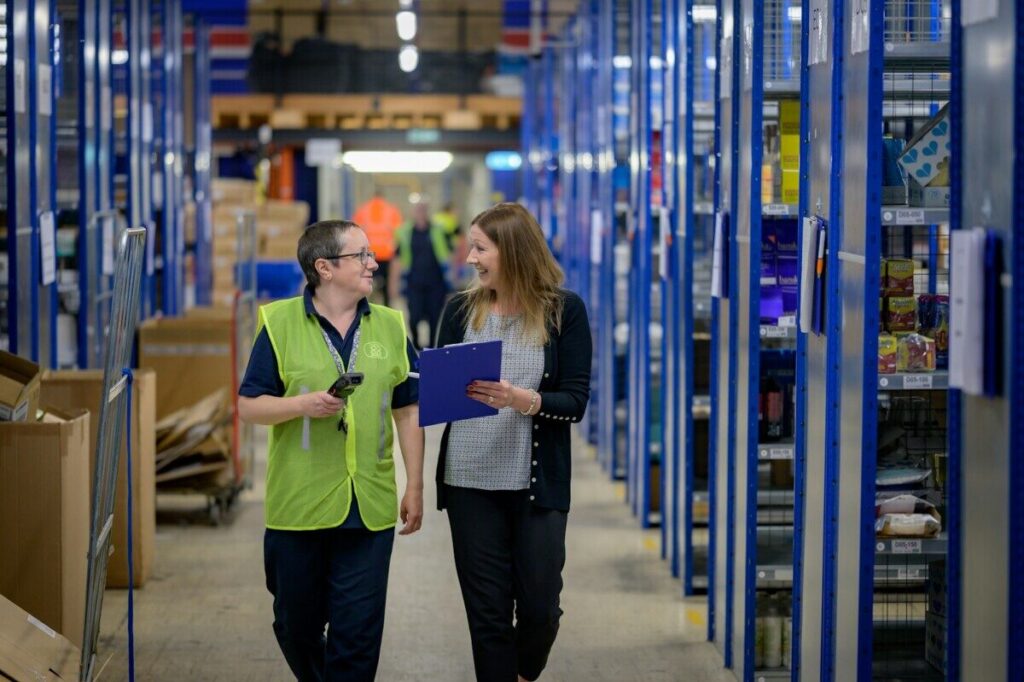
E-commerce is booming across Wales, as more people shop online and small businesses adapt how they operate behind the scenes to keep up with demand.
An e-commerce boom
The Welsh e-commerce market is now estimated to be worth £4.2 billion, with online sales growing by around 23% year on year. More than half of consumers in Wales shop online every month, and the average person now spends close to £1,850 a year online. What started as a pandemic habit has well and truly stuck, becoming part of everyday shopping for many households.
Mobile shopping is a big part of that story. Research from TGM Global shows that 76% of people in Wales shop online using their smartphone, with clothing and accessories topping the list. Shoppers are still being guided by price and convenience too, with 58% saying low prices and free delivery matter most when deciding where to buy.
An increase in SMEs
For businesses, the picture is just as telling. Wales is home to around 290,000 active businesses, and most of them are small. Ninety-nine percent are SMEs, and 95% are micro-businesses with fewer than ten employees. More of these companies are turning to e-commerce as a practical way to grow, without the costs and commitments that come with traditional bricks-and-mortar retail.
While Wales still sits slightly behind the UK average for digital adoption, the gap is narrowing. Around 28% of Welsh businesses now sell online, and that number continues to rise as platforms like Shopify make it easier for small brands to get up and running and reach customers across the UK.
By early 2026, there were 5,849 live Shopify stores operating in Wales, with the highest numbers based in Cardiff, followed by Swansea, Newport and Wrexham. Many of these businesses sell fashion, home and garden, beauty, food and drink, and lifestyle products, often starting out from spare rooms, garages or small studios.
As order volumes grow, though, space quickly becomes an issue.
The rise in storage needs
Storage providers across the UK say they are seeing increased demand from e-commerce businesses that have outgrown home storage but are not ready to commit to long-term warehouse leases. This is especially common for sellers dealing with seasonal stock, new product launches or rapid growth driven by social media.
The Box Co., which offers flexible storage by the box, says it has seen a clear rise in enquiries from e-commerce businesses over the past year.
“More of the enquiries we’re getting are from online sellers who started at home and suddenly found themselves running out of space,” a spokesperson for The Box Co. said. “E-commerce businesses across the UK are growing quickly, and many want storage that can scale up or down without locking them into expensive warehouse contracts.”
Warehousing as a back up
Warehousing companies are also feeling the impact, particularly those that combine storage with warehousing logistics and fulfilment services. More online sellers are now looking for practical partners who can help behind the scenes, from storing stock to packing orders and getting them out the door quickly. For many small brands, especially those run by just one or two people, having everything handled in one place can make a huge difference.
With 78% of local searches now happening on mobile, and next-day delivery becoming something shoppers expect rather than hope for, online retailers are feeling the pressure. Customers want fast delivery, but businesses still need to keep costs under control. That has pushed more sellers towards flexible warehousing and logistics services that let them stay close to customers without taking on big long-term commitments.
Digital adoption across Wales is continuing to move in the right direction. Better broadband, the rise of social shopping on platforms like Instagram and TikTok, and ongoing Welsh Government support are all helping more businesses take the step online. While cities such as Cardiff and Swansea remain out in front, growing numbers of businesses in North Wales, the Valleys and rural areas are now joining the e-commerce economy too.
With 89% of Welsh adults owning a smartphone and mobile internet use still on the rise, e-commerce is set to remain a major growth area for the Welsh economy. As more businesses grow online, the need for storage, warehousing and logistics support is only likely to increase, becoming a key part of how Welsh brands scale and compete.
—
Sources: Web Cardiff, Store Leads, TGM