The Benefits of Clinical Experience for Aspiring Healthcare Professionals
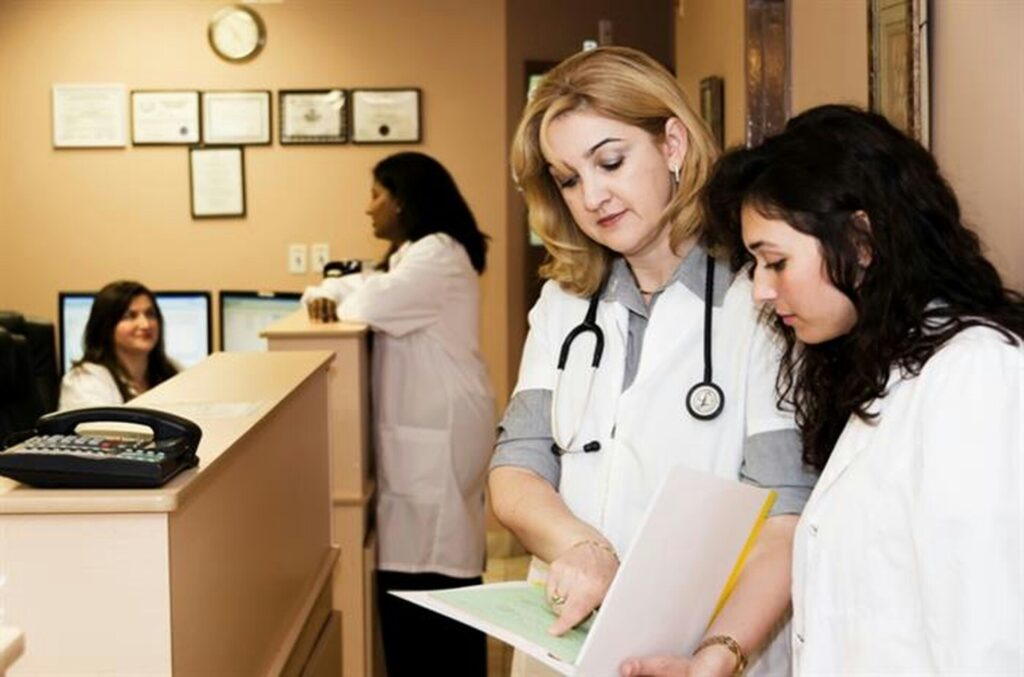
Anyone thinking about a medical career knows the road can seem incredibly long and competitive. Good grades are a given, but getting hands-on experience is just as important. It doesn’t just boost your application; it helps shape the kind of doctor you’ll become.
Getting into a clinical setting early on helps you see things clearly, build basic skills, and really get a feel for what the job demands and offers.
First Steps in a Medical Journey
Stepping into healthcare for the first time is often a huge moment for future medical pros. It’s where all the textbook stuff meets real life. For many, this means finding chances to observe and learn in local clinics or hospitals. These placements give you a priceless first look at how a healthcare facility runs day-to-day.
Some students also look into hospital work experience abroad, which is great for seeing how medicine works in a different healthcare system and culture. This kind of experience shows you’re proactive and have a global mindset, helping you stand out and prove your passion for the field.
Developing Essential Clinical Skills
Work experience isn’t just something to put on your CV; it’s a place to build important skills. Even if students aren’t doing complex procedures, they can watch them up close and learn why teamwork, communication, and hygiene are so important.
The importance of clinical experience is huge here, as it connects what you read in books to actually caring for patients. Future doctors and nurses learn how to talk to patients with empathy, understand how a ward operates, and see how different medical professionals work together.
These soft skills are often just as important as medical knowledge and are best learned by being directly involved in a real healthcare setting.
Real-World Challenges and Learning
A clinical environment is always changing and often unpredictable. Getting work experience early on shows students the real side of a medical career, including the high-pressure situations and tough emotional cases that you won’t find in college brochures.
Watching experienced professionals handle stress, have difficult conversations, and deal with long hours gives you a serious but necessary education. This exposure helps you build resilience and a realistic idea of the profession. It’s a chance to learn that medicine isn’t just about good outcomes, but also about managing uncertainty and offering kind support, even when a cure isn’t possible.
Broadening Horizons
Getting involved in healthcare outside your own community can really change how you see things. Working in a different town, city, or even another country exposes you to all sorts of patients, medical conditions you haven’t seen before, and different ways of treating people. This variety challenges your existing ideas and helps you become more flexible and culturally aware in your approach to care.
You might learn about unfair healthcare access, how social and economic factors affect health, or clever, low-cost solutions used where resources are limited. This broader understanding makes your education richer and prepares you to be a more well-rounded and resourceful practitioner later on.
Sharpening Focus
One of the biggest benefits of early experience is how it helps students figure out what they want to do with their career. Spending time on a surgical ward might spark a passion for surgery, while shadowing a GP could show you that primary care is more your thing.
On the flip side, it can also make it clear what you *don’t* want to do. This process of ruling things out is just as valuable, stopping people from committing to a specialty that isn’t a good fit. This early insight is a key part of planning your nursing career or medical path, making sure that big, long-term decisions are based on real interest and firsthand knowledge, not just assumptions.
Ultimately, these early experiences lay the groundwork for a successful and rewarding medical career. They teach invaluable lessons that classrooms simply can’t, helping to shape the competent, compassionate, and resilient healthcare professionals of tomorrow.





