The Essentials of Choosing the Right Front Door Material
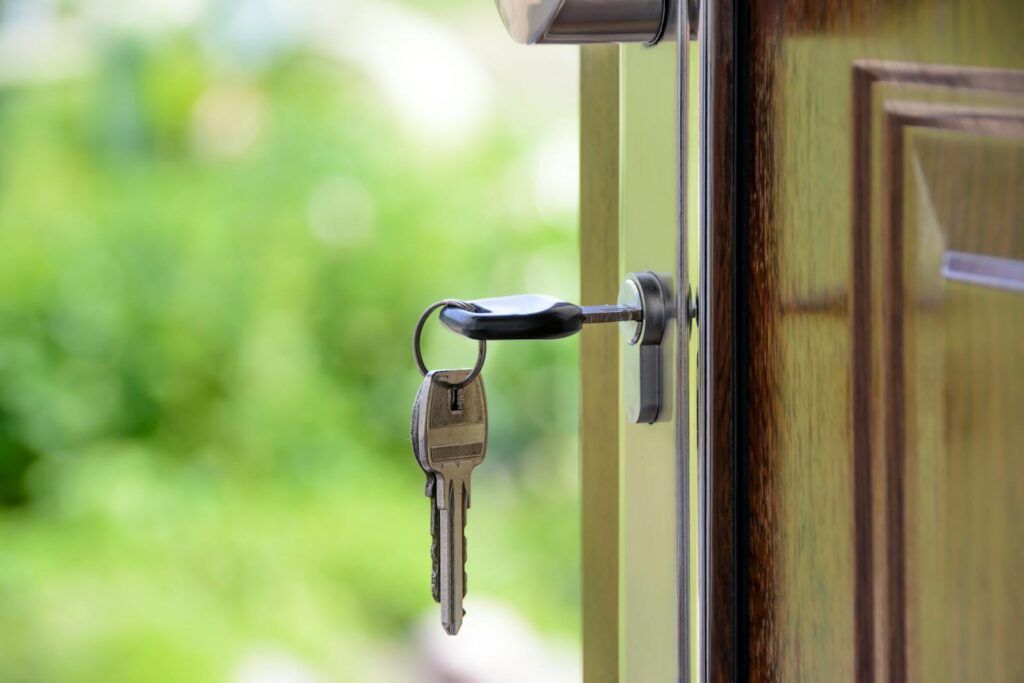
Your front door is the passageway into your internal life. It’s not just a hinged slab at the front of your house. It’s the barrier between the facade and your home’s inner workings, while also operating as a line of defence against the elements and uninvited guests alike. These reasons, among others, are why it’s so important to consider the front door material that you’re going to embrace in its frame. Your choice will have a profound impact on the door’s look, feel and functionality, so it’s important to be considerate.
This piece will explore the ins and outs of different door materials, so you can feel more confident about the construction that will best suit your home’s needs.
Composite front doors
Composite front doors are the most popular choice for most British homes, and for good reason. Composite, by nature, is made from a combination of different materials to create something greater than the sum of its parts. They are generally made from a solid timber core with an insulating foam, along with a durable outer skin.
Benefits of choosing composite materials include:
- Composite material doors are very strong and hard to break into, even with force
- Insulating cores provide a high level of thermal performance
- Composite can be aesthetically versatile, accurately mimicking other materials (solid wood)
- Composite front door material is low maintenance and warp, fade or rot
- These doors generally last around 30 years or more from purchase
It is worth noting that composite doors can be fairly expensive, but it’s generally considered a wise investment for their benefits and longevity.
Steel/aluminium front doors
Steel doors and aluminium doors are both highly premium options with similar qualities. Both metals are great choices for homeowners who are leaning into the sleek, minimalistic trends of the day. Galvanised metal slabs make for a fairly imposing statement, while lending themselves to modern aesthetics.
Other reasons someone might choose steel or aluminium as a door material include:
- Galvanised metal makes for super strong doors with exceptional durability, facilitating advanced security
- Metal doors should be built with thermal breaks and insulated cores, ensuring they have good U-values and provide strong insulation
- Steel and aluminium are low-maintenance and easy to take care of
Aluminium and steel doors are two of the most expensive options on the market and don’t necessarily fit into more traditional architecture, but if you have a modern home, they can be a very worthwhile investment.
Timber/wooden front doors
Classic wooden doors are a timeless choice, ideal for period properties and certain modern design schemes. Whether painted with a lush finish of some glossy paint or left with its natural grain, wood is a door material that elicits a sense of homeliness and nostalgia. It somehow captures a sense of authenticity that no other material gets close to.
Other pros to choosing timber doors include:
- Wood can actually be repaired easier than steel or composite, meaning damage or degradation can be fixed rather than being cause for replacement
- Timber is easily customisable with additional paints or stains for increased personality
- Wood is a good natural insulating material
- When properly cared food, wooden front doors will last for years
It’s important to remember that of all the materials in this piece, wood is by far the most vulnerable to environmental damage. Wood can warp, swell and crack when exposed to temperature changes and moisture, meaning they need a decent degree of maintenance. They can end up costing a fair amount in terms of long-term investment over the years.
These are the three (technically four) primary door material groups you should look out for when investing in a new front door. Whichever direction you go in, make sure to choose a trustworthy, reliable supplier with a strong reputation. Materials won’t save you from poor craftsmanship!