The Welsh Dental Group Continuing to Open NHS Clinics While the Rest of the UK Retreats
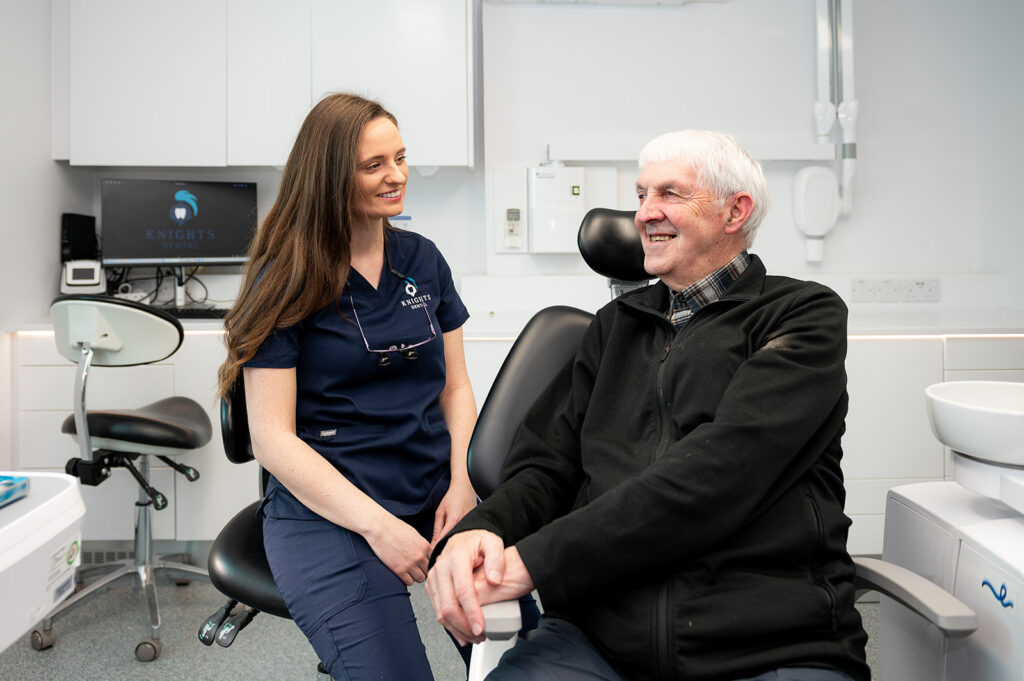
Image Credit: Knights Dental
There is a specific direction that Welsh dental access has been quietly moving in during 2026, and it runs counter to what is happening across most of the rest of the UK.
Across England, the number of dental practices holding NHS contracts has fallen year on year. A growing share of UK practices have reduced or ended their NHS commitments entirely. Waiting lists have lengthened. Access to routine NHS dental care has become materially harder than it was a decade ago.
In parts of Wales, the picture is genuinely different. A small number of Welsh dental groups have continued to invest in NHS services and open new NHS clinics, particularly in the valley communities and market towns where the shortages have historically been sharpest. Knights Dental, owned and led by Dr Paul Jones, is one of them.
The state of NHS dental access in Wales
NHS Wales dental reform has continued to progress. New patient charges, adjustments to the NHS contract, and initiatives to widen access have all featured across the past several years. Progress has been meaningful in places. But the underlying access picture, particularly across rural Wales and the South Wales valleys, remains challenging.
Waiting times in some parts of Wales run to months. Older patients and families in communities without a nearby NHS-committed practice have often faced the sharpest impact. And the wider UK trend of practices reducing NHS commitments has added to the pressure on the Welsh practices that continue to offer NHS dentistry.
The market context matters, because it explains why the direction some Welsh dental groups have taken stands out.
Why the Welsh direction runs counter to the wider UK trend
Dr Paul Jones, owner and principal dentist of Wales’s largest independent dental group, has continued to open new NHS clinics as other UK practices have moved in the opposite direction.
The credentials would allow a shift toward wholly private care, as many UK dental practice owners have quietly made over the past five years. Paul’s view, backed by the practical investment his group has made, is that Welsh dental access benefits meaningfully from businesses that continue to commit to NHS care rather than retreating from it.
The approach reflects a specific position on what NHS dentistry in Wales actually needs right now. Local access matters. Continuity of care matters. Family patients need to know that NHS appointments will be available in their community, and not only for immediate emergencies.
Paul’s commentary on the direction is straightforward: local people should be able to see a dentist close to home, without long waiting times, and without feeling pushed toward private treatment when NHS care is what they actually need.
Where the Knights Dental network reaches
The Knights Dental network now covers a meaningful spread of Welsh communities:
- Rhoose
- Merthyr Tydfil
- Abertillery
- Pontypridd
- Chepstow
- Radyr
- Gawelod Y Garth
- Brynmawr
- Brecon
- Ferndale
The geographic spread deliberately targets areas that have historically faced the hardest NHS dental access challenges, from valley communities through to Monmouthshire market towns. Each practice offers routine NHS dentistry alongside dental implants and cosmetic dentistry where those treatments are clinically appropriate.
The Chepstow practice, one of the newer additions to the network, has become part of the local dental picture across Chepstow and the wider southern Monmouthshire area. For anyone in the town or surrounding communities looking for a dentist in Chepstow, the practice offers a full range of NHS and private services in a market where dental access has genuinely tightened over recent years.
What the direction actually means for Welsh dental access
The wider UK question of NHS dental sustainability will continue to develop through the remainder of the decade. Structural pressures on the NHS dental contract, the workforce, and the practical economics of running an NHS-committed practice are not going to resolve quickly.
Against that backdrop, the practices genuinely investing in NHS Wales dental access matter more than their scale alone would suggest. For Welsh families in Rhoose, Merthyr Tydfil, Chepstow, Pontypridd and the other communities the Knights Dental network serves, the practical reality is that NHS dentistry remains available, local and accessible in a way that would have felt unlikely a few years ago.
The wider Welsh dental access picture continues to depend on the choices practices make about their NHS commitment. The choice a small number of Welsh dental groups have made, to keep opening NHS clinics while others retreat, is one of the more consequential developments in Welsh dentistry right now.





