“Thousands Are Panicking About Hair Loss This Month – Is It Seasonal or Serious?”
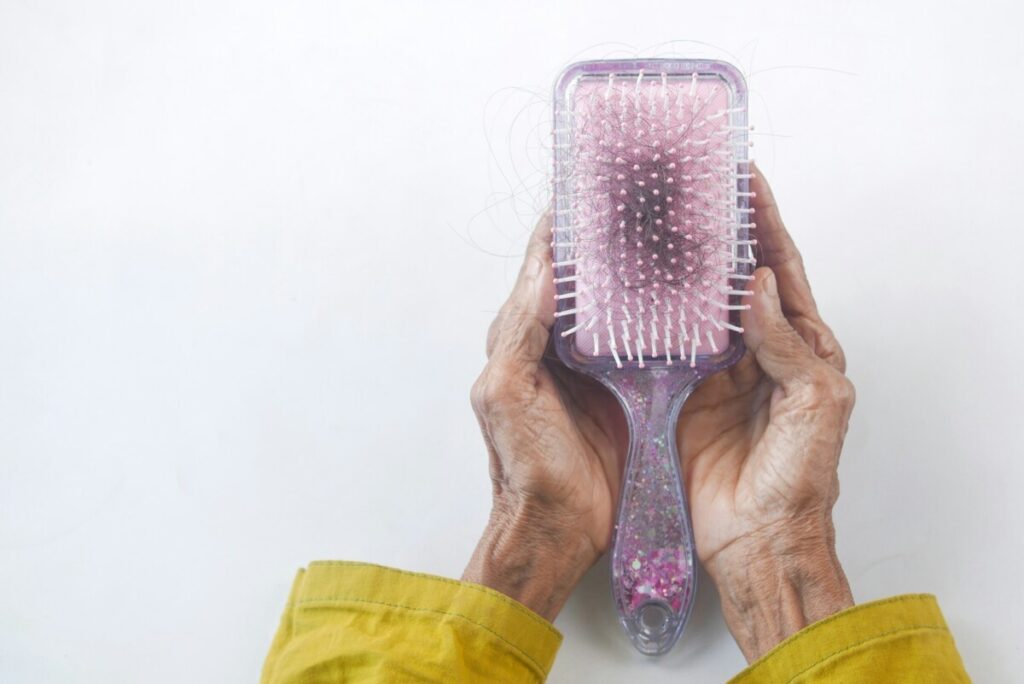
If your shower drain looks busier this month, you’re not alone. Dermatology research has long shown that hair shedding tends to peak in late summer and early autumn, with multiple studies pointing to August–September as the period when more hairs enter or exit the resting (telogen) phase and shed.
What “seasonal shedding” actually is
Human scalp hair cycles through growth (anagen), transition (catagen) and rest (telogen). A higher telogen proportion in warmer, high-daylight months is followed by visible shedding weeks later, which is why the uptick often shows up at the end of summer into autumn. In plain terms: you may notice more hairs on your brush in September without any permanent loss of density.
How much hair loss is “normal”?
The NHS notes it’s normal to lose around 50–100 hairs per day, and that hair loss is often nothing to worry about, though persistent or distressing change warrants a conversation with your GP. Dermatologists also distinguish between shedding (a temporary increase in telogen hairs) and hair loss (where follicles miniaturise or are lost).
When to look beyond seasonality
Seasonal shedding shouldn’t mask other causes. Sudden, heavy or patchy loss, scalp symptoms, or shedding that doesn’t settle merits medical review. Triggers can include nutritional deficiencies, illness, medication changes or significant stress. Pattern hair loss follows different biology altogether and requires different management.
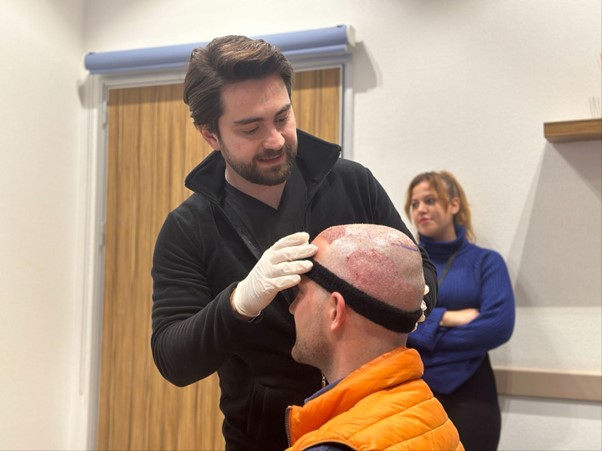
Photo: Dr Burak Tuncer
Within this wider context, Esteworld, popular in Turkey for hair transplant procedures, and Esteworld’s Medical Director Dr Burak Tuncer, emphasise that autumn is a time for patience rather than panic. “Most callers in September are anxious; our first job is to separate normal seasonal shedding from conditions that require treatment,” says Dr Tuncer. “We start with history, examination and trichoscopic clues, then decide whether watchful waiting, medical therapy or surgical planning is appropriate. A good clinic will not rush anyone based on a few weeks of shedding.”
Esteworld recently opened a representative office in London’s Covent Garden to make pre-travel consultations and aftercare liaison easier for UK patients while procedures remain in Istanbul. The company argues that a local touchpoint helps people verify credentials, understand timelines for regrowth and maintain closer communication during the post-operative months.
Dr Tuncer adds a rule of thumb for readers considering transplantation: “Transplantation is about redistributing a finite donor resource. It is most effective once the underlying condition is stable and expectations are aligned. Autumn shedding alone is rarely a reason to book.”
A quick reader checklist for September
- Track, don’t obsess: Note changes over several weeks, not days. Seasonal fluctuations commonly settle.
- Sense-check “volume” vs “density”: More strands in the plughole doesn’t always equal visible thinning; mirrors and photos are more reliable than a single wash day.
- Mind the triggers: Recent illness, weight change, iron deficiency, thyroid issues, medication switches and major stressors can all push follicles into telogen. Ask your GP if symptoms persist.
- If you’re researching: Read UK–Turkey minimum guidance (BAHRS/BAAPS/BAPRAS/TSPRAS). Look for clear surgeon involvement, documented aftercare and realistic density planning.
The bottom line
For many in the UK, autumn shedding is a normal, temporary rhythm. Start with reputable information, verify with clinicians, and treat as a considered step rather than a seasonal reflex. If you do later explore a hair transplant in Turkey, the same principle applies: what you can verify in person and on paper matters more than what you read online.