Transporting the Future: Why Niche Logistics Matter in Modern Cities
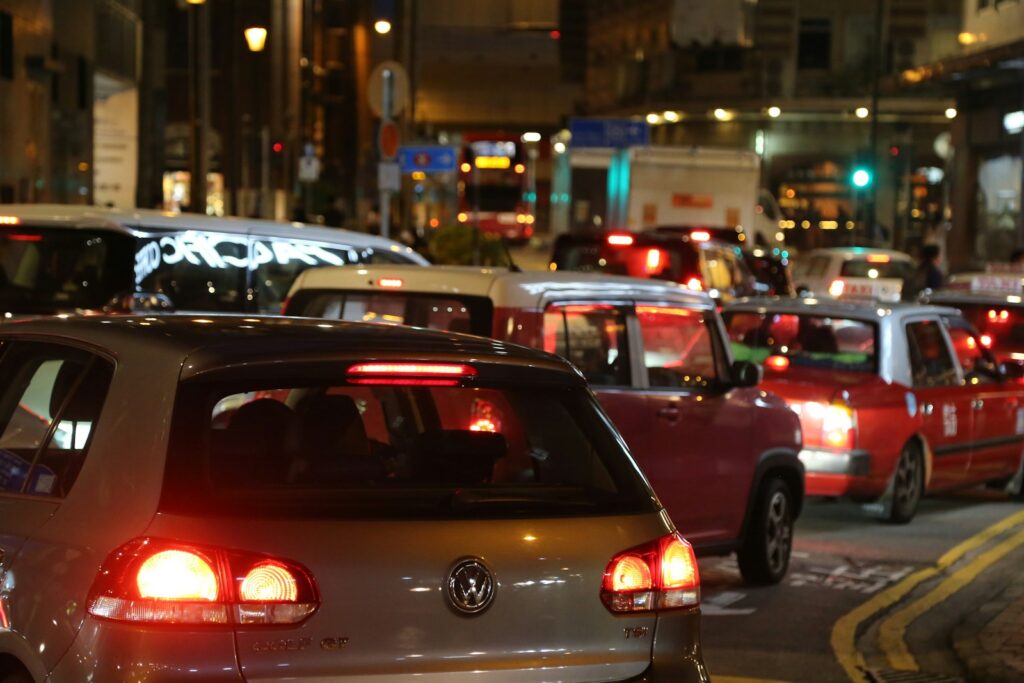
How do millions of people in bustling metropolitan areas receive everything from fresh groceries to specialized equipment without the city grinding to a halt? As cities grow larger and more complex, generic shipping solutions are proving inadequate for the diverse needs of modern urban life. The future belongs to niche logistics providers who understand that every neighbourhood, every industry, and every type of cargo requires a tailored approach.
The Urban Logistics Challenge
Modern cities present unique transportation challenges that didn’t exist even a decade ago. Congestion pricing zones limit when and where vehicles can operate. Environmental regulations restrict diesel engines in city centres. Narrow historic streets cannot accommodate large delivery trucks. Residents expect faster delivery times while simultaneously demanding quieter, cleaner transport solutions.
These constraints have created opportunities for innovative logistics companies that specialize in urban-specific solutions. Time-sensitive deliveries are coordinated around traffic patterns and city regulations.
Specialized Services for Specialized Needs
Urban areas concentrate diverse industries and activities, each with unique transportation requirements. Art galleries need climate-controlled transport for valuable pieces. Hospitals require precise timing for medical supplies. Restaurants depend on fresh ingredient deliveries that maintain cold chain integrity.
The automotive sector exemplifies this specialization trend. Classic car collectors, motorcycle enthusiasts, and vintage vehicle restorers cannot rely on standard auto transport services. They require carriers with specific equipment, expertise, and insurance coverage. Services like motorcycle transporters in Edinburgh demonstrate how regional specialists develop deep knowledge of local regulations, optimal routes, and customer preferences that national companies cannot match.
Technology Enabling Urban Innovation
Smart city initiatives are revolutionizing how goods move through urban spaces. Real-time traffic data allows logistics companies to optimize routes dynamically. IoT sensors monitor cargo conditions throughout transport. Mobile applications coordinate deliveries with building management systems to reduce waiting times and security concerns.
Autonomous delivery vehicles are being tested in controlled urban environments, promising to reduce costs and improve service reliability. Drone delivery systems are addressing last-mile challenges in dense urban areas where traditional vehicles struggle with accessibility and parking.
Environmental Impact and Sustainability
Cities worldwide are implementing aggressive environmental policies that directly affect logistics operations. Zero-emission zones ban older diesel vehicles. Carbon taxes increase operational costs for polluting transport methods. Residents increasingly prefer businesses that demonstrate environmental responsibility through their logistics choices.
Forward-thinking logistics companies are investing in electric vehicle fleets, optimizing routes to reduce fuel consumption, and developing carbon-neutral delivery options. These investments not only comply with regulations but also appeal to environmentally conscious urban consumers.
Supporting Urban Economic Growth
Niche logistics services enable small businesses and specialized industries to thrive in expensive urban markets.
This logistics infrastructure creates a multiplier effect throughout urban economies. When businesses can operate more efficiently, they create more jobs, generate more tax revenue, and contribute to the vibrant commercial diversity that makes cities attractive places to live and work.
The future of urban living depends on transportation systems that are as sophisticated and specialized as the cities they serve.