Wave Curtains vs. Traditional Pleated Curtains: What UK Shoppers Should Know
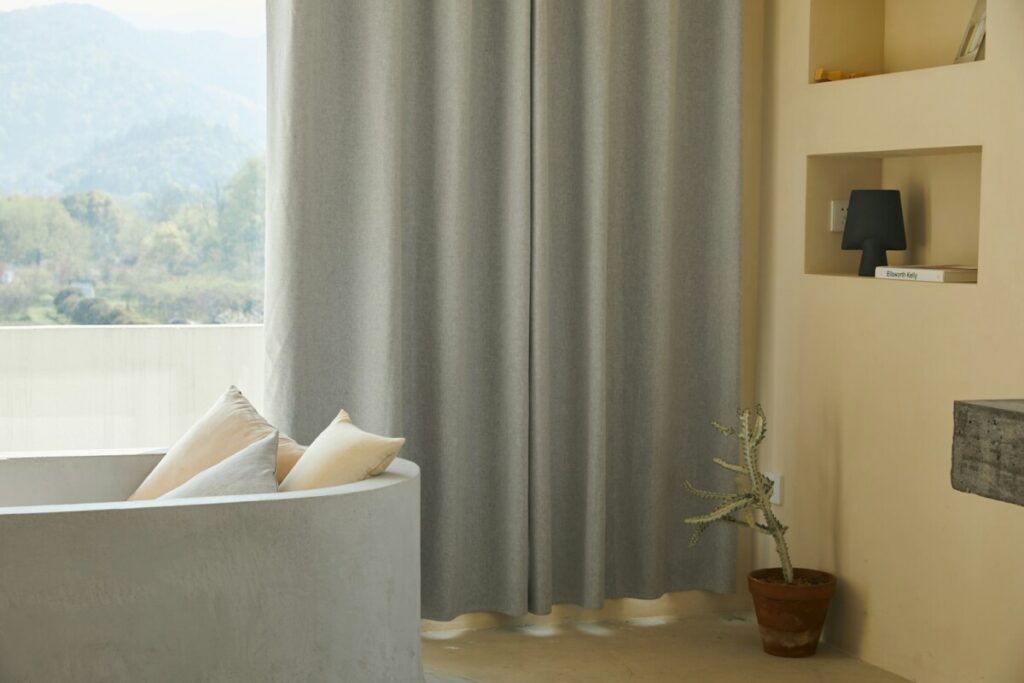
Choosing between wave curtains and traditional pleated curtains can shape the look and feel of any home. Both styles serve the same purpose but create very different effects. Wave curtains provide a clean, modern style with smooth folds that glide neatly along a track, while pleated curtains bring a classic, structured look that suits more traditional interiors.
Each style changes how light enters a room and how the space feels overall. Therefore, understanding their appearance, installation method, and space requirements can help buyers make a choice that fits their home style and layout.
This guide explains the key differences between wave curtains and pleated designs, showing how each works in typical UK homes. It also breaks down what to consider before buying, from ceiling height to window placement, so anyone can choose curtains that look balanced and practical.
Key Differences Between Wave Curtains and Traditional Pleats
Each curtain style provides a distinct look, structure, and function that affects how a room feels and how the fabric hangs. Their differences lie in shape, system design, and how well they suit certain windows and spaces.
Visual Style and Interior Impact
Wave curtains create smooth, even folds that form a fluid line from top to bottom. This results in a clean and modern appearance suited to open, bright interiors. Many of the top-rated wave curtains in UK include 60mm and 80mm wave options too, which give either subtle curves or deeper ripples depending on the chosen heading tape. Smaller waves look neat in compact areas, while larger folds add a striking feature to wide glazing.
Traditional pleated curtains project a more formal impression. Styles like pencil or pinch pleat create visible gathers that introduce texture and fullness. They frame windows with a tailored look that fits both classic and transitional homes. In contrast, wave designs stay understated and highlight the fabric’s drape rather than the stitching detail.
Although both styles can look elegant, the choice often depends on the overall interior theme. Modern settings usually favour wave systems, while traditional designs pair naturally with formal pleats. Each approach defines how much attention the curtains draw within a room.
Curtain Headings and Hanging Systems
Wave curtains rely on a continuous track with evenly spaced gliders that fix into a flat heading tape. The tape forms consistent folds that move smoothly along the rail. This structure demands careful measurements to achieve the correct fullness ratio and fabric width. The system keeps the fabric tension steady, which prevents bunching and keeps folds aligned.
Pleated curtains use hooks attached to a tape stitched into the top of the curtain. Different hook positions create varied pleat depths such as triple or double pinch styles. These options allow adjustments for fullness and stack depth. Although less sleek than tracks, pole-mounted headings work well for visible decorative finishes or larger finials.
Unlike pleated systems, wave tracks work best mounted close to the ceiling. They help elongate the wall visually and give a sense of height. Pleat systems, however, can use poles beneath decorative pelmets or valances to complement more traditional interiors.
Compatibility with Window Types and Sizes
Wave curtains suit wide windows, patio doors, and minimalist frames. Their slim stack depth makes them useful where wall space beside the window is limited. The flowing folds work best with lighter or medium-weight fabrics that move freely. Narrow or tall windows benefit from smaller wave spacings to keep proportions balanced.
Pleated curtains fit a broader range of window shapes. Deep pleats add formality to large bay or bow windows, while pencil pleats scale down well for bedrooms or offices. The flexibility of this heading type also helps disguise uneven walls or recesses by covering the top edge neatly.
Both styles can provide good light control with linings or blackout fabrics. However, wave curtains slide more quietly across tracks, which adds ease of use for large glass spans or sliding doors. Pleated designs provide more layering possibilities with sheers or tiebacks, fitting rooms that lean toward a softer, decorated finish.
Choosing the Right Curtain for UK Homes
Choosing suitable curtains affects how a room feels, looks, and functions. The decision depends on how much light a person wants, the ease of installation, and the right mix of fabric, lining, and track design for the space.
Light Control, Blackout Options, and Privacy
Bedrooms, lounges, and home offices need different levels of light control. Wave curtains allow more natural light through their soft folds, making rooms appear brighter and more open. Traditional pleated curtains, on the other hand, provide stronger coverage and block out more light due to their thicker fabric and tighter structure.
For privacy, pleated curtains work better in street-facing rooms. They hang close together, reducing outside visibility. Sheer voiles provide partial privacy during daylight hours without darkening a space, and some homeowners pair them with heavier drapes for evening use.
Blackout curtains or curtains with blackout lining are ideal for bedrooms where darkness helps with sleep. Wave curtains can include blackout lining, though their design may allow slight light gaps at the sides. Pleated curtains often seal the light more effectively, especially with lined fabrics that add extra weight and coverage. The choice ultimately depends on balancing natural light with the desired level of privacy.
Installation and Track Selection
Curtain installation needs proper track or rod selection. Wave curtains usually use a curtain track that creates evenly spaced waves. The track must allow smooth movement so the folds fall neatly. Ceiling-mounted tracks produce a modern look that suits new builds or minimalist interiors.
Traditional pleated curtains often fit better on a curtain rod, which supports various header styles like pencil or pinch pleats. Rods add a decorative element and blend with classic interiors. Tracks, by contrast, provide a discreet and practical option for wider windows or lounge curtains that need consistent folds.
A high-quality track system guarantees durability and smooth operation. Some systems are compatible with both wave and pleated styles, providing flexibility. Before fitting, users should check wall clearance and track length so curtains open fully without blocking natural light or reducing window views.
Fabric and Lining Considerations
Fabric choice influences how curtains hang and how much fabric they require. Wave curtains need soft fabrics such as voiles, cotton, or linen to create their signature flowing folds. Stiff or textured materials can disrupt the wave pattern. Pleated curtains handle a wider range of fabrics and benefit from firmer cloth that supports the pleat shape.
Heavier materials improve insulation and privacy. In cooler months, lined or interlined curtains help reduce draughts and heat loss. Blackout lining also increases weight, giving the curtains a fuller appearance. Lighter, unlined voiles work best in rooms needing airflow and daylight, like conservatories or dining areas.
Fabric width and drop must match the fabric requirements for each curtain style. Wave curtains generally use a higher fabric ratio to achieve their even wave pattern, while pleated curtains depend on pleat type and spacing. Accurate measurements before cutting fabric prevent uneven folds and guarantee the curtains hang neatly once installed.
Conclusion
Wave curtains give homes a clean, modern shape with soft folds that fall evenly from top to bottom. They suit open spaces and contemporary interiors, where neat lines and light flow matter most.
Traditional pleated curtains create a more formal and textured look. They fit well in classic homes and can add depth through fuller pleats or layered fabrics.
Each style serves a different purpose. Wave curtains provide uniform spacing and smooth movement along tracks, while pleated curtains provide structure and variation in fabric detail.
UK shoppers can choose based on space, window size, and design goals. A modern space often pairs well with wave curtains, whereas rooms with traditional decor tend to look more complete with pleats.





