Why Shared Experiences Matter More Than Expensive Holidays
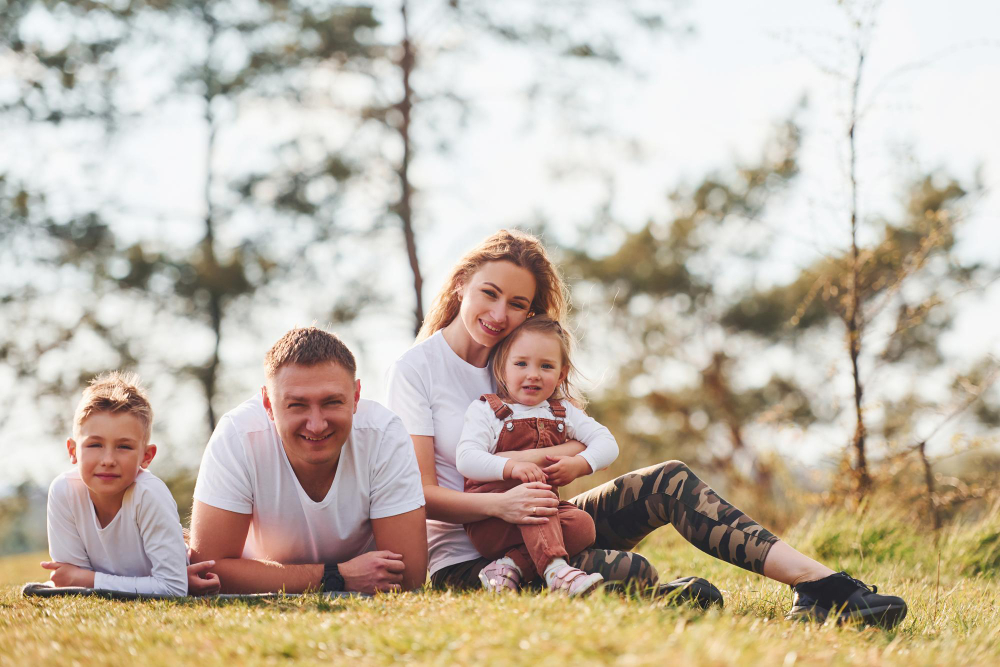
When people search for ideas related to Manor & Ashbury Resorts, they are often looking for inspiration for a family break that offers more than just a place to stay. While luxury accommodation and impressive facilities can certainly enhance a holiday, research and experience consistently show that the moments people treasure most are rarely linked to how much money was spent. Instead, it is the shared experiences, unexpected adventures and time spent together that leave the strongest and longest-lasting impressions.
Modern life is busier than ever. Parents often juggle demanding careers, household responsibilities and family commitments, while children divide their attention between school, hobbies and digital entertainment. Finding uninterrupted time to connect can be surprisingly difficult. Holidays provide one of the few opportunities where everyone can slow down, escape daily routines and focus entirely on one another. It is during these moments that meaningful memories are created, and they often have little to do with expensive attractions or lavish surroundings.
Think back to your own favourite holidays. Chances are the memories that stand out are not the price of the hotel room or the cost of a particular activity. Instead, you may remember laughing during a family game, discovering a hidden walking trail, trying something completely new or sharing a meal after an active day. These moments stay with us because they involve emotion, interaction and genuine connection rather than material value.
Psychologists have long suggested that experiences contribute more to long-term happiness than possessions. Experiences become part of a person’s identity, creating stories that are retold for years. Families frequently reminisce about amusing mishaps, surprising discoveries and unexpected successes long after they have forgotten many of the details surrounding where they stayed or what they spent. Shared experiences create a family history that continues to grow with every trip taken together.
One reason experiences have such a powerful impact is that they require active participation. Watching a television programme or scrolling through social media can be enjoyable, but these activities are generally passive. By contrast, exploring a woodland path, learning a new skill or completing a challenge together requires communication, teamwork and shared effort. Everyone becomes part of the story, making the memory far richer and more personal.
Children particularly benefit from holidays centred on experiences rather than expensive purchases. While a new toy or gadget may provide excitement for a short period, the enjoyment often fades quickly. An adventure shared with parents or siblings, however, can become something they remember well into adulthood. These experiences help children develop confidence, curiosity and resilience while strengthening family relationships at the same time.
Parents also gain from placing greater emphasis on experiences. Many adults feel pressure to provide the “perfect” holiday, believing they need to spend large amounts of money to ensure everyone has a good time. In reality, children are often far more interested in spending quality time with their parents than they are in expensive entertainment. Simple activities carried out together frequently generate far more laughter and enjoyment than elaborate attractions.
Shared experiences also encourage communication. During everyday life, conversations are often squeezed between work, school and household routines. Holidays provide opportunities for longer discussions while walking, eating together or relaxing after an active day. Without the constant distractions of everyday schedules, family members often discover things about one another that might otherwise remain unnoticed.
Another advantage of experience-focused holidays is their flexibility. Families do not need to follow a rigid itinerary packed with costly activities. Instead, they can adapt each day according to how everyone feels. One morning might involve exploring nature, while the afternoon could be spent playing games, swimming or simply enjoying time outdoors. This relaxed approach reduces pressure and allows everyone to participate at their own pace.
Trying something new together also creates a sense of shared achievement. Whether it is learning a sport, tackling a climbing wall, completing a cycling route or attempting archery for the first time, every success becomes something the whole family celebrates. Even if the activity proves more challenging than expected, overcoming obstacles together often strengthens relationships far more than effortless entertainment ever could.
There is also something uniquely satisfying about unplugging from technology. Screens dominate much of modern life, and while they provide convenience and entertainment, they can easily distract from face-to-face interaction. Holidays offer an opportunity to replace notifications and scrolling with conversation, laughter and shared discovery. Families often find they naturally spend more time talking when devices are put aside in favour of activities that involve everyone.
Nature plays an important role in creating memorable experiences as well. Walking through forests, exploring coastlines or enjoying open countryside stimulates the senses in ways that indoor entertainment cannot. Fresh air, changing scenery and physical movement all contribute to improved wellbeing, helping people feel more relaxed while making memories that are easier to recall in years to come.
Importantly, meaningful experiences do not depend on perfect weather or flawless planning. Some of the funniest family stories begin when plans change unexpectedly. A sudden rain shower, taking a wrong turn during a walk or attempting an activity that nobody has tried before can become highlights precisely because they were unplanned. These spontaneous moments often bring families closer together through shared humour and problem-solving.
Experience-based holidays also encourage lifelong healthy habits. Families who discover they enjoy walking, cycling, swimming or other physical activities while away may continue these interests after returning home. Instead of viewing exercise as a chore, children begin associating physical activity with fun, exploration and family time. This positive association can influence lifestyle choices for many years.
Another benefit is that experiences are inclusive. Families come in all shapes and sizes, often including grandparents, teenagers and younger children with different interests and abilities. Shared activities can usually be adapted so that everyone contributes in some way, ensuring no one feels excluded. The focus shifts from individual achievement to collective enjoyment, allowing every family member to feel involved.
Financially, prioritising experiences can also relieve unnecessary pressure. Many families assume that creating unforgettable holidays requires ever-increasing budgets, yet some of the most rewarding activities cost very little. A scenic walk, a picnic, a friendly sports competition or an afternoon exploring somewhere new can deliver just as much enjoyment as expensive attractions. What matters most is the opportunity to spend genuine time together without distraction.
Perhaps the greatest value of shared experiences is that they continue to bring happiness long after the holiday has ended. Looking through photographs, retelling favourite stories and laughing about memorable moments allows families to relive those experiences again and again. Unlike physical possessions, which gradually lose their novelty, cherished memories often become more valuable as the years pass.
As children grow older, they are unlikely to remember exactly how luxurious a room was or how much a holiday cost. What they are far more likely to remember is the feeling of being together, discovering something new, encouraging one another through challenges and sharing moments of genuine happiness. These are the experiences that shape family relationships and create traditions that future generations may continue.
Ultimately, the true success of a family holiday is not measured by the price tag attached to it but by the quality of the time spent together. Shared experiences create stronger relationships, happier memories and stories that are retold for decades. They remind families that the greatest luxury is often not found in expensive surroundings, but in the opportunity to laugh, explore and simply enjoy one another’s company without the distractions of everyday life.





