Chasing Bass on the Welsh Coast: An Autumn and Winter Guide
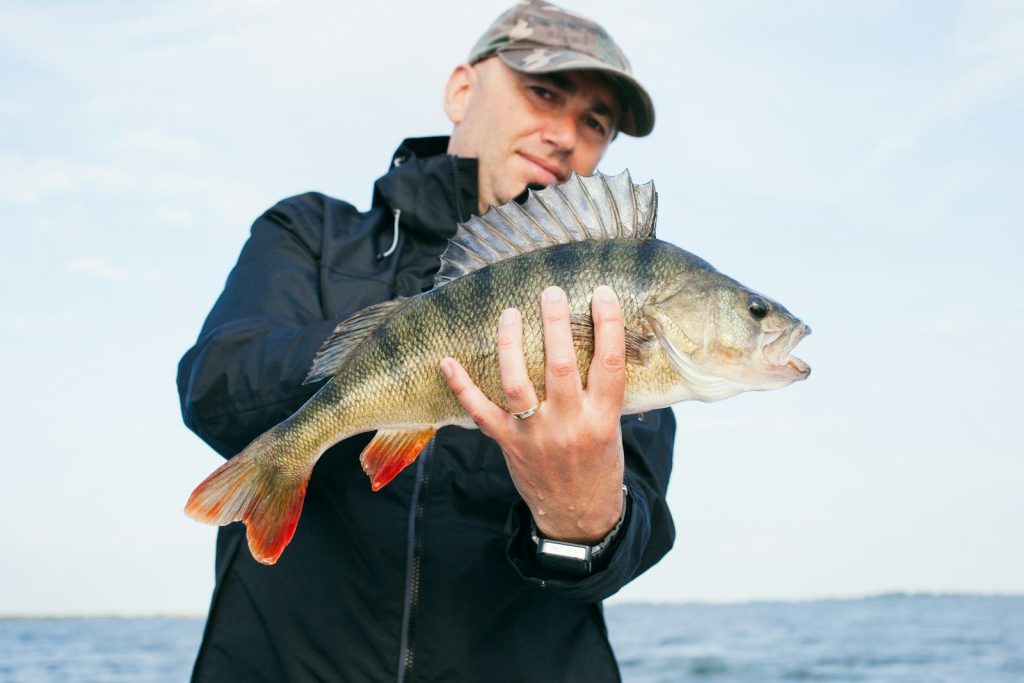
Ask a Welsh sea angler which fish they’d most like to land and many will give the same answer: a bass. Silver, powerful and wary, the European sea bass is one of the most prized fish around our coast, and Wales has some of the most varied shore marks in Britain to chase it from. Here’s what to know before you head out as the season turns.
Where to look
Bass feed in the rough, oxygen-rich water where waves meet the shore, so the Welsh coast suits them well.
- Pembrokeshire offers surf beaches, rocky headlands and estuaries within a short drive of each other.
- Gower mixes wide sandy bays with rocky points that fish well on a rising tide.
- Ceredigion and the Llŷn Peninsula have long beaches and quiet coves away from the crowds.
- Anglesey gives you rock marks, sandy bays and the strong tidal flow of the Menai Strait.
Estuaries are worth a look too. Bass often follow the tide up into rivers to hunt.
When to go
Bass are most active in the warmer months, and plenty of them move offshore as the sea cools. That doesn’t mean the season is over: autumn can be excellent, and some fish stay close in well into the winter, especially after a spell of mild weather.
Conditions matter more than the calendar. A lively surf after a blow, low light at dawn or dusk and the first few hours of a rising tide are classic times. Flat calm, bright days are often quieter.
Tackle and approach
There’s no single right way to fish for bass, which is part of the fun.
- Lures such as soft plastics, shallow-diving plugs and surface lures work well in clear water and let you cover ground.
- Bait like peeler crab, ragworm or sandeel suits coloured, rough water and night fishing.
- Light tackle makes the fight more enjoyable, but match it to the ground: rocky marks need stronger line.
Move around. Bass hunt along gullies, reef edges and the line where the surf breaks, so a few casts in several spots often beats waiting in one.
Know the rules
You don’t need a rod licence to fish in the sea, but there are rules on bass. There is a minimum size, and limits on how many you can keep, which can change by season and from year to year. Check the current rules before you go, and if in doubt, put the fish back. Many anglers release every bass they catch to help the stocks.
Stay safe
The coast that makes Wales so good for bass also demands respect.
- Check tide times and the weather, and know how the tide fills around your chosen mark.
- Avoid wet, weed-covered rocks, and never turn your back on the sea.
- Wear a lifejacket on rock marks, and fish with a friend where you can.
- Tell someone where you’re going and when you’ll be back. In an emergency, call 999 and ask for the Coastguard.
Bass beyond the beach
Bass fishing, of one kind or another, has a following far beyond the shoreline. It’s the theme of the Big Bass Bonanza slot, the online game from Pragmatic Play and Reel Kingdom that started the Big Bass series of fishing slots, which Fortune Games explains in its guide for adults who enjoy that kind of game. Like the real thing, though, nothing about it is guaranteed: it’s a game of chance and should be treated as paid entertainment.
Time to get out there
Whether you’re working a Pembrokeshire surf beach at first light or casting a lure into a Gower gully as the tide turns, bass fishing in Wales is about reading the water and enjoying the coast. Respect the fish, respect the sea, and the rest will follow.
Written in partnership with Fortune Games.
18+ only. Treat any game as paid entertainment, never a way to make money. Free, confidential help 24/7: National Gambling Helpline, 0808 8020 133.